

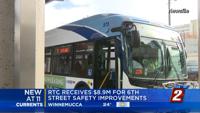


The Regional Transportation Commission (RTC) of Washoe County applied for and has received $8.9 million from the U.S. Department of Transportation to fund road improvements along the East Sixth Street corridor in downtown Reno, as part of the Sixth Street for All project.
The project is committed to enhancing safety and improving access, as well as supporting sustainability goals in the area.
As part of the project, construction of high-visibility crosswalks, streetlight enhancements and protected bike lanes will be considered to help protect road users.
The area’s proximity to the RTC Fourth Street Station creates opportunities to improve safety for both residents and visitors, as well as multimodal and pedestrian transit as outlined in the RTC Regional Transportation Plan.
“This is a priority in the Vision Zero Truckee Meadows Action Plan,” said Graham Dollarhide, Senior Technical Planner for RTC Washoe. “The goal is to reach zero traffic fatalities by 2030.”
U.S. Senators Catherine Cortez Masto and Jacky Rosen announced the funding for Sixth Street for All in addition to other projects in Nevada.
“Keeping Nevadans safe is my top priority, and these critical investments will save lives by helping Nevada communities implement pedestrian safety plans and make vital infrastructure improvements,” said Senator Cortez Masto. “I’m proud to have helped deliver this funding and I’ll continue working to make Nevada’s roads safer and keep our communities connected.”
The Sixth Street for All project is part of a network of improvements in downtown Reno, and has been prioritized because it currently has the highest safety need in Washoe County.
“This project catapults Reno into the cutting-edge cities that value lives and health with a network of high-quality protected paths. The Sixth Street project will make people safer, which is proven to lead to robust bike and multimodal use,” said Ky Plaskon, President of the Truckee Meadows Bicycle Alliance. “This achievement proves that the RTC and City of Reno’s leadership, engineers, and grants teams continue to take the essential first steps to save lives and improve the health of our community for generations to come.”