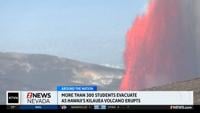



As wildfire ravages Honolulu, Hawaii, people in Reno are looking for ways to give, and the Better Business Bureau is warning against disaster relief scams.
“Scammers know that inherently we want to help others, and how do we do that? Typically, it’s by giving," Timothy Johnston, with Better Business Bureau Northern Nevada, told 2 News on Thursday.
He said scams can take the form of emails, social media advertisements, or messages from someone who has hacked the account of a family member or friend. Scammers will even pose as reputable charitable organizations.
“Something else that we’re seeing is the individual saying, ‘thank you for your donation last year or last time around,’ making you think you have already donated to that charity in the past, and building that trust and familiarity," Johnston said.
He added that most scams can be avoided with a quick internet search.
“You really want to do your research. Know what the organization is doing to meet the needs that you’re giving to," he said. "In the case of disaster relief, are they on the ground? Do they have experience in disaster relief?”
The way you donate matters, too. Use a credit card or check so that you can report the charge as fraudulent if it turns out to be a scam.
“We encourage people not to give cash because once cash is gone, it’s hard to get it back. And likewise don’t use your debit card because that really is just giving somebody outside access," Johnston said.
He added that everyone is vulnerable to these scams, young or old. As technology becomes more sophisticated, so to the tactics that scammers will use to take your money.
He said, “Oftentimes we think, ‘Oh, I’d never fall for a scam,’ but it all comes down to, I think, the right time, the right place.”
Look through BBB accredited charities at give.org.