


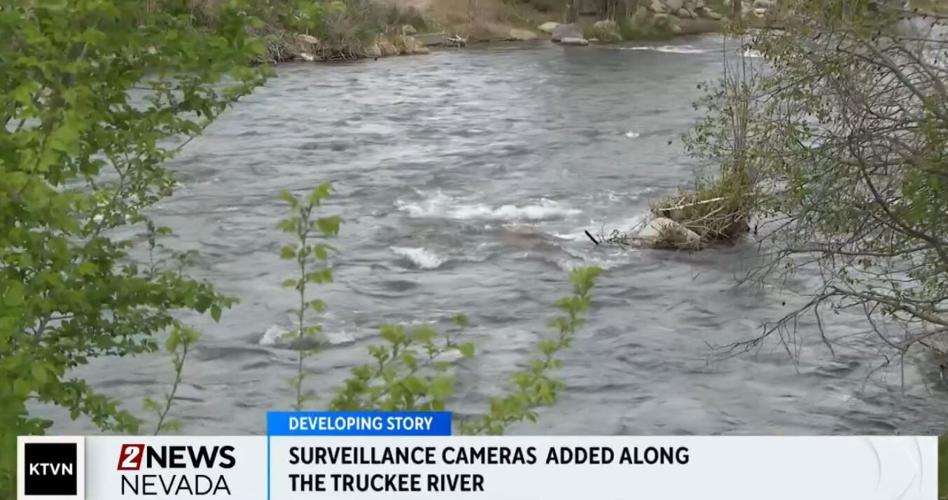
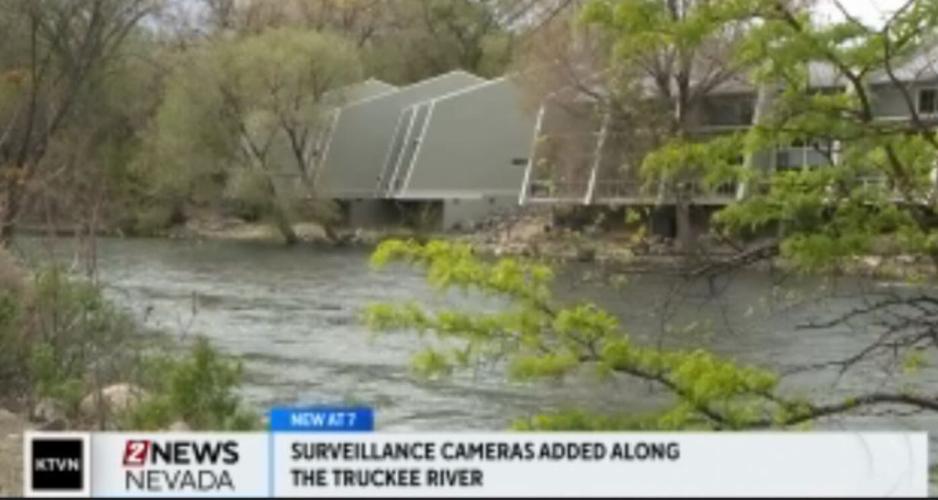
The City of Reno’s Parks and Recreation Department says cameras will be placed in areas where they see concerns for illegal dumping along the Truckee River.
Officials told us this will allow for faster response and ultimately decrease the amount of waste that makes it into the river.
Landon Miller, who is the Fund Development Manager for the Parks and Recreation Department, said, "Two total cameras, in areas that are not frequented by a lot of people, that they are known spots for littering, dumping, unwanted activity. And we put the cameras there to essentially deter that activity, and again, the whole point is we put cameras up, people won't litter. That litter doesn't end up in the Truckee River and damage our watershed."
They have requested that cameras be up and running for a total of 18 months after approving the $60,000 in costs.
Officials stressed that the purpose of these cameras is strictly for litter prevention.
However, at a City Council Meeting on Wednesday, some attendees shared concerns about adding surveillance in public areas.
They even voiced their thoughts on what they think this funding should be used for.
Taylor Maynard, an attendee who spoke at the meeting, said, "Our community would be losing yet another public space that should be for any and everyone in the name of 'safety or community care.' This grant money would be far better spent on better recycling infrastructure, cheaper waste disposal services, or better public education and transparency on waste removal and its impact on our river."
A big concern that was voiced by people at the meeting was the use of AI with these cameras.
Officials said AI will only be used when it comes to reading license plates when vehicles are caught on camera illegally dumping.
Other people we spoke with told us they can understand the purpose of the cameras, but they still have concerns about the honesty that needs to be included with them
Alex Vujasinovic, a Reno Resident of 24 years, told us, "It could possibly reduce the trash that's seen in the downtown area, so I think, like, it could be beneficial. But what's really going to come into play is how well the cameras are watched and like, how things are enforced, once the cameras are in place."
While the City Council moved forward with the grant, there are still some policies that need to be made before the cameras are actually able to be put into place.