As Nevada enters the busy summer boating season, state and Tribal agencies are urging boaters and paddlers to help stop the spread of aquatic invasive species that threaten waterways across the state.
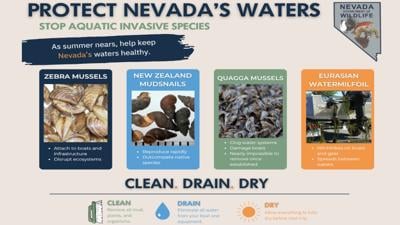
The Nevada Department of Wildlife, Tahoe Regional Planning Agency and Pyramid Lake Paiute Tribe are reminding recreationists to follow the "Clean, Drain, Dry" protocol and "Pull Your Plug" before leaving any waterbody and before launching somewhere new.
Officials also urged recreationists to plan ahead for watercraft inspections during busy weekends and holiday periods. Before leaving a lake, river or reservoir, boaters and paddlers should remove mud, plants and debris from their equipment, drain any standing water from areas such as bilges, ballast tanks, motors, coolers and live wells, and ensure boats and gear are completely dry before entering another waterway. The guidance applies to all recreational equipment, including boats, kayaks, paddleboards, trailers, fishing gear, anchors and waders.
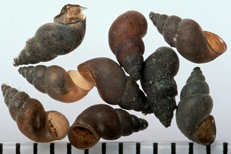
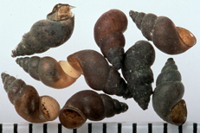
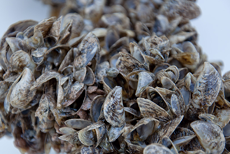
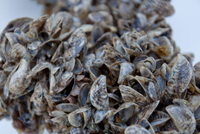
Aquatic invasive species (AIS) include quagga mussels, zebra mussels, golden mussels, New Zealand mudsnails, and invasive aquatic plants. Officials said the species can spread through boats, trailers, anchors, fishing gear and other recreational equipment. Once introduced, they can damage ecosystems, threaten fisheries, clog water infrastructure and affect recreation opportunities.
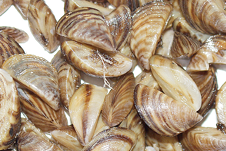
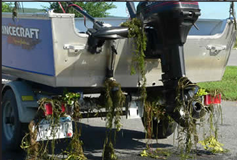
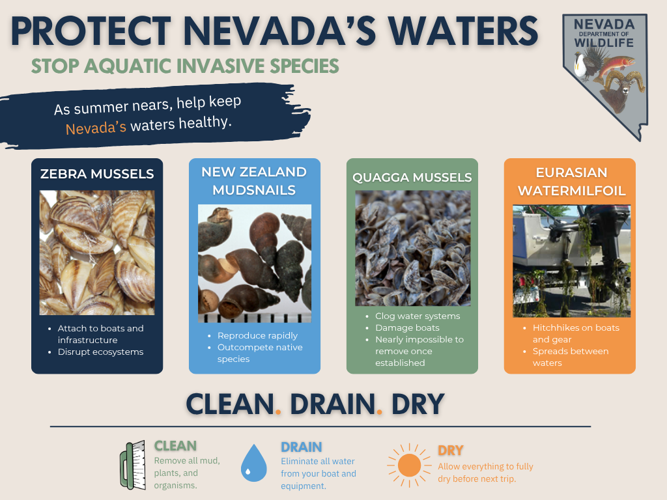

In Nevada, it is unlawful not to comply with an approved watercraft inspection station.
"If watercraft users take the necessary steps to ensure their equipment is clean, drained and dry before transport, we can stop the spread of harmful aquatic invasive species such as quagga and golden mussels," said Kevin Netcher, aquatic invasive species coordinator for the Nevada Department of Wildlife. "Removing visible mud, plants and debris, pulling the drain plug, and allowing a watercraft to completely dry between waterbodies are simple steps that help protect Nevada's waters from invasive species."
The Nevada Department of Wildlife oversees aquatic invasive species prevention efforts statewide through watercraft inspections, decontaminations, outreach and monitoring programs. At Lake Mead and Lake Mohave, the agency's primary goal is containing quagga mussels within the Colorado River system while preventing new introductions elsewhere in Nevada.
Officials also reminded boaters that Nevada's Aquatic Invasive Species decal is required for all watercraft capable of retaining water that operate on Nevada waters. The requirement applies to all motorized watercraft and many nonmotorized vessels, including kayaks, canoes and nonmotorized sailboats. Float tubes, paddleboards, inner tubes and similar water toys are exempt from the decal requirement, though officials said they should still be cleaned, drained and dried before entering another waterbody.
In the Lake Tahoe Basin, the Tahoe Regional Planning Agency and its partners operate an aquatic invasive species prevention program that requires inspections and decontaminations for all motorized watercraft, including e-foils and other hand-launched electric-powered craft.
The program was strengthened in 2025 after highly invasive golden mussels were discovered in California's Sacramento-San Joaquin Delta. Mandatory decontaminations by trained inspectors are now part of the inspection process, and boats arriving clean, drained and dry may receive a 50% discount on decontamination fees.
Officials said the program helps protect Lake Tahoe, Fallen Leaf Lake and Echo Lakes through inspections, decontamination services and boater education. In 2023, New Zealand mudsnails were discovered in Lake Tahoe, marking the first new aquatic invasive species detected there since the inspection program began.
"We appreciate the vigilance of everyone who enjoys getting out on Lake Tahoe," said Dennis Zabaglo, aquatic invasive species program manager for the Tahoe Regional Planning Agency. "Partners throughout the Tahoe Basin are working together to protect this place from the damage that aquatic invaders can cause, but it takes everyone to reduce the risk as much as possible."
The Pyramid Lake Paiute Tribe has also expanded protections through its Aquatic Invasive Species Program. Beginning in 2025, all motorized and trailered watercraft launching at Pyramid Lake are required to receive an inspection before entering the water.
Pyramid Lake inspection stations are open seven days a week beginning at 6 a.m., though hours may vary throughout the season. Launching without an inspection may result in a $500 fine.
Self-inspection forms for Pyramid Lake are only permitted for nonmotorized hand-launched vessels, including kayaks, canoes, float tubes, and stand-up paddleboards. Boaters may also obtain wire seals through the Sutcliffe inspection station to help streamline future launches.
"Check yourself before you wreck yourself" remains a key reminder from Tribal aquatic invasive species staff, encouraging boaters to inspect their equipment and help prevent the spread of invasive species.
Officials said all recreationists should clean mud, plants and debris from boats and equipment, drain water from bilges, ballast tanks, motors, coolers and live wells, and allow boats and gear to dry completely before entering another waterbody.
The guidance applies to boats, kayaks, paddleboards, trailers, fishing gear, anchors and waders.
Invasive golden mussels have been spotted in California and could threaten Lake Tahoe.
Tahoe Regional Planning Agency says this is the second boat intercepted with the highly-invasive mollusk on board since the species was first detected in 2024 in the Sacramento area.

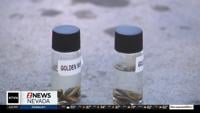
Lake Tahoe has been exposed to several invasive species over the years, and officials are strongly encouraging people to clean, drain, and dry all watercraft to prevent contaminating the lake.

The Tahoe Regional Planning Agency says watercraft inspectors stopped golden mussels from entering Lake Tahoe this week.