

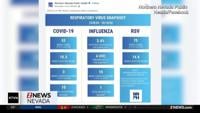

Northern Nevada Public Health (NNPH) is reporting the first flu-associated death for the current flu season in Washoe County: a woman in her 90s with underlying health conditions.
* Flu and Respiratory Syncytial Virus (RSV) cases have been increasing steadily in Washoe County and nationwide.
* Respiratory virus activity has been highest among young children (0-4) and those 65 years and older.
* 57 influenza-associated hospitalizations have been reported among Washoe County residents since Sept. 29, 2024.
* As of Dec. 14, there have been a total of 75 RSV cases reported in Washoe County, with most being under the age of 18.
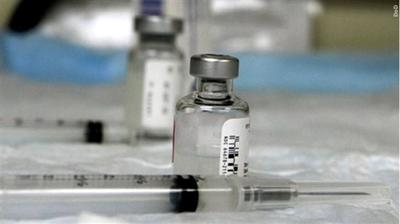
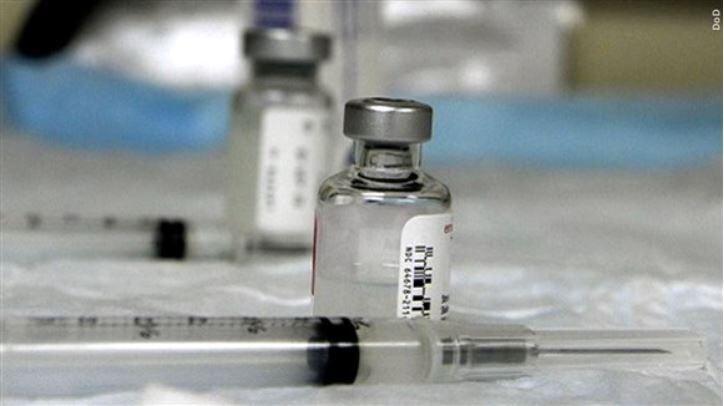
Persons considered to be at a higher risk of serious complications from respiratory disease include young children, older adults, pregnant women and anyone with a chronic health condition. Healthy people can experience severe complications as well. People are advised to receive the influenza vaccination if they have not already, stay home from work or school if sick, and wash your hands with warm water and soap frequently.
“If you haven’t received a flu or COVID-19 vaccine yet, now is a great time,” said District Health Officer Dr. Chad Kingsley. “The current levels are rising and with holiday gatherings coming up, we ask that residents take precautions to prevent anyone from getting sick.”
Meanwhile, 13 states reported high or very high levels of flu-like illness last week, about double from the week before. One is Tennessee, where a sickness spike is hitting the Nashville area, said Dr. William Schaffner, an infectious diseases expert at Vanderbilt University.
The most recent CDC data show COVID-19 hospitalizations have been declining since summer. COVID-19 activity is moderate nationally, but high in the Midwest, according to CDC wastewater data.
RSV hospitalizations started rising before flu did and now show signs of possibly leveling off, but they remain a little more common than admissions for flu. Overall, RSV activity is low nationally, but high in the South, the wastewater data show.
The CDC called the start of flu season based on several indicators, include lab results for patients in hospitals and doctor's offices, and the percentage of emergency department visits that had a discharge diagnosis of flu.
Last winter's flu season was considered “moderate” overall, but it was long — 21 weeks — and the CDC estimated there were 28,000 flu-related deaths. It was unusually dangerous for children, with 205 pediatric deaths reported. That was the highest number ever reported for a conventional flu season.
(NNPH and The Associated Press contributed to this report.)