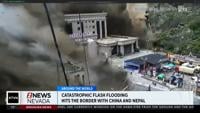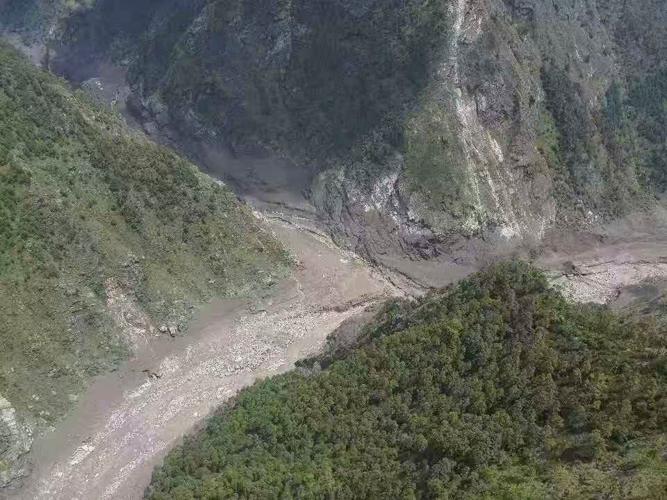



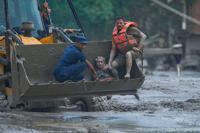


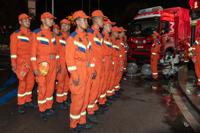














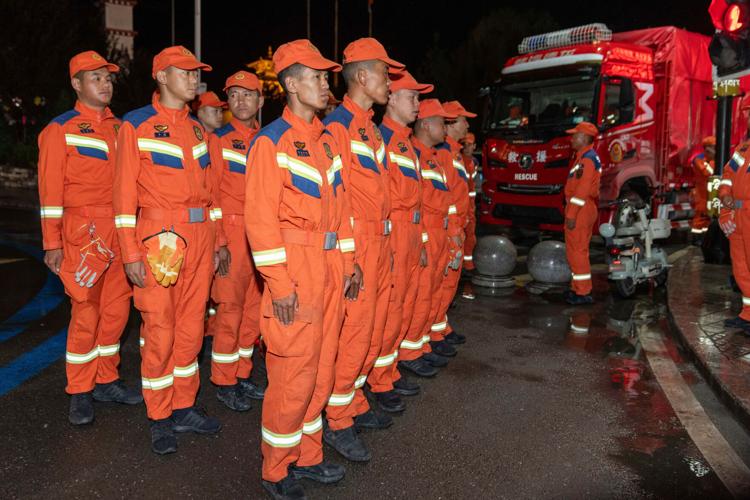
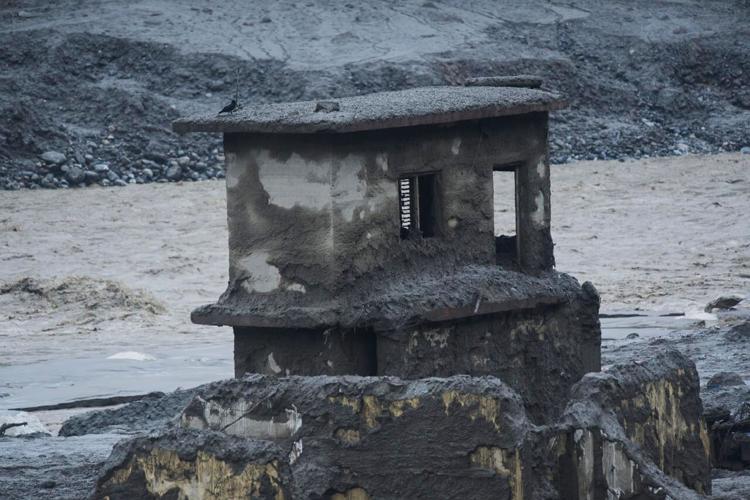
DEVIGHAT, Nepal (AP) — Rescue teams searched on Thursday for hundreds of missing people along the Nepal-China border, where a catastrophic and deadly torrent of water and mud several stories high swept through communities a day earlier following a glacier collapse.
Videos of the disaster showed people running before the floodwaters swallowed them up and washed out buildings and bridges. At least 353 people were killed, police said, and more than 1,300 are missing, including scores of foreigners and pilgrims. Hundreds others have been displaced across the Himalayan region.
The steep slopes and lush valleys below the Himalayan mountain range — home to many of the world’s highest peaks and remaining glaciers — are especially vulnerable to flooding and landslides. Melting glaciers have become more common because of human-caused climate change.
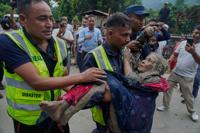
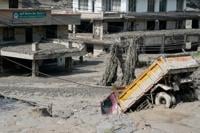
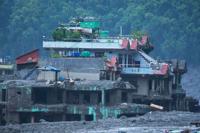
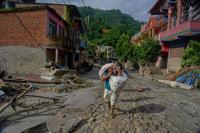
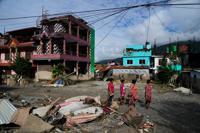
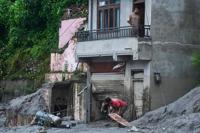
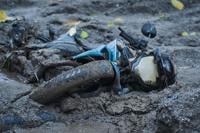
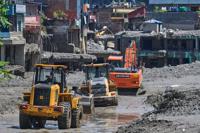
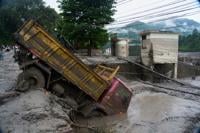
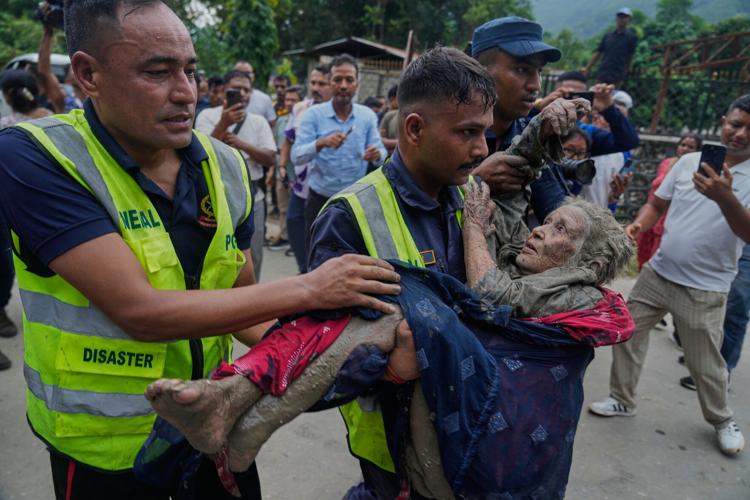
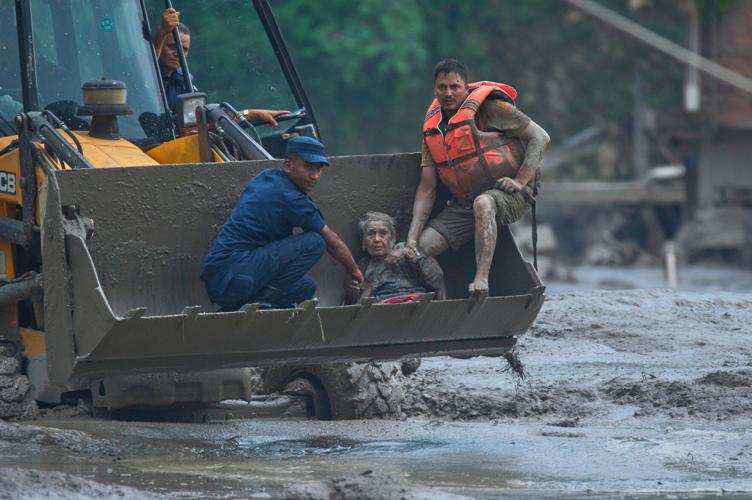
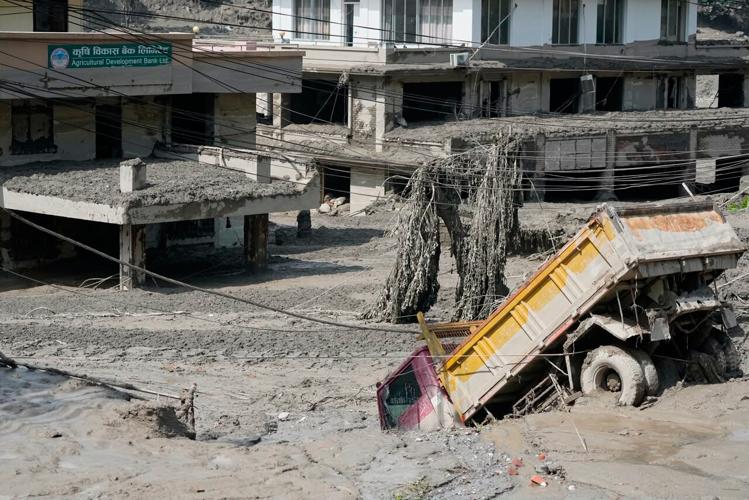
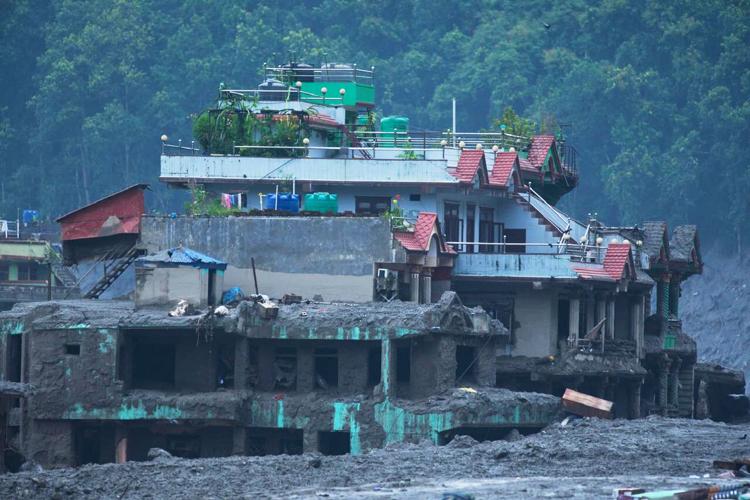
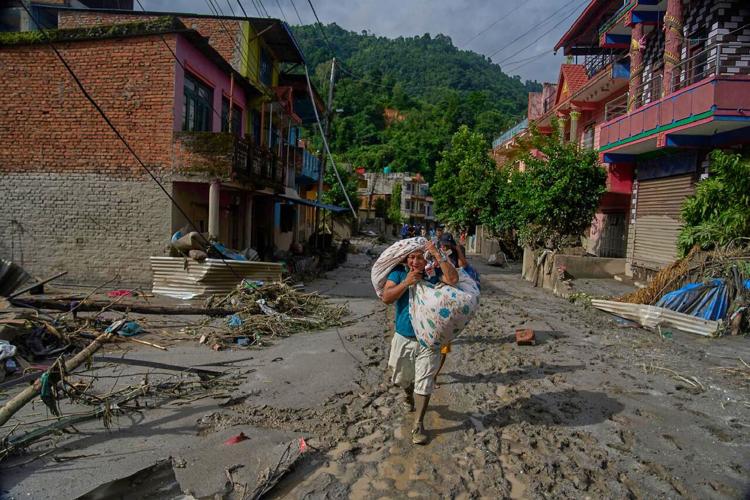
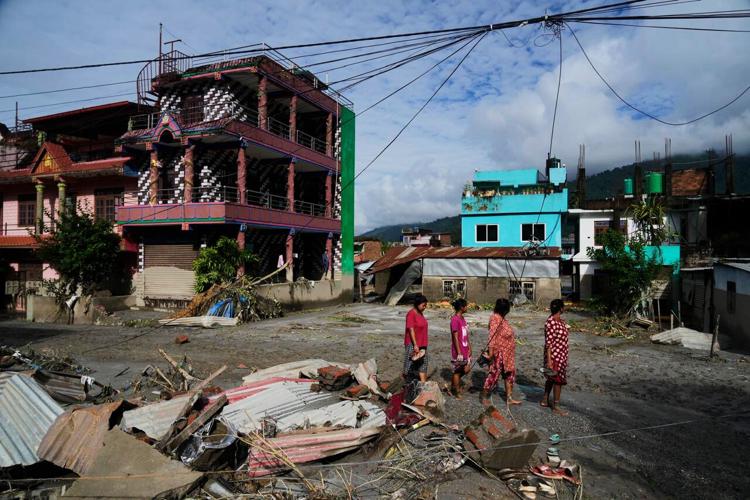
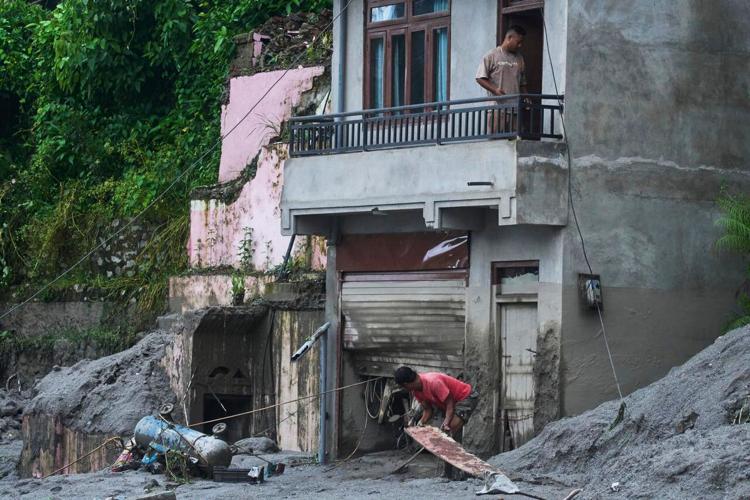
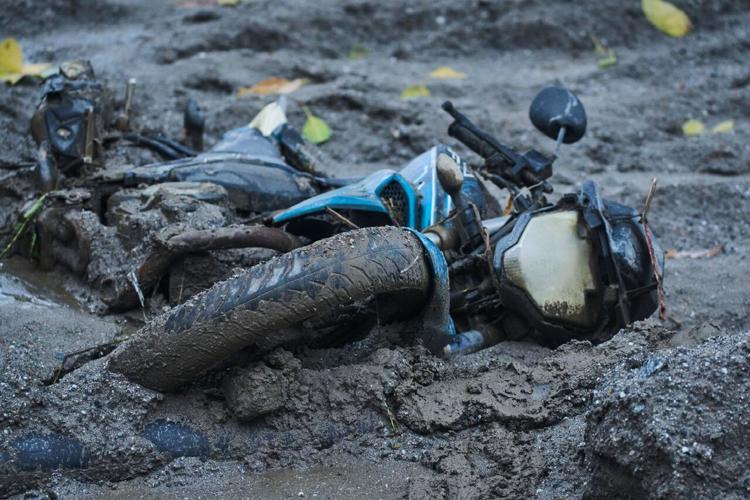
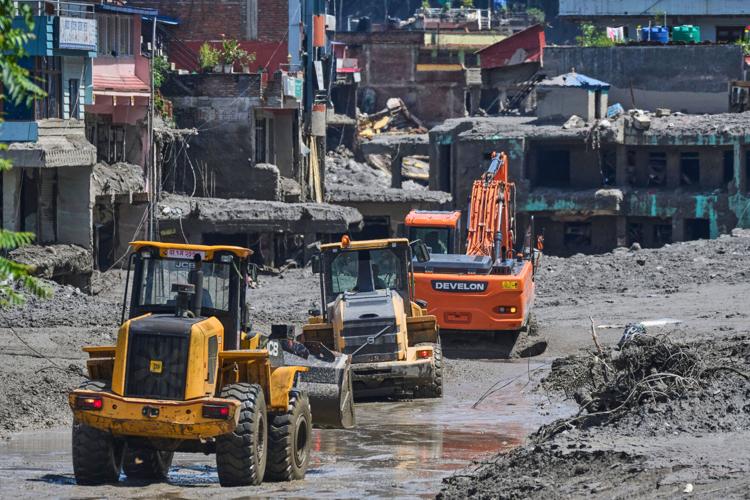
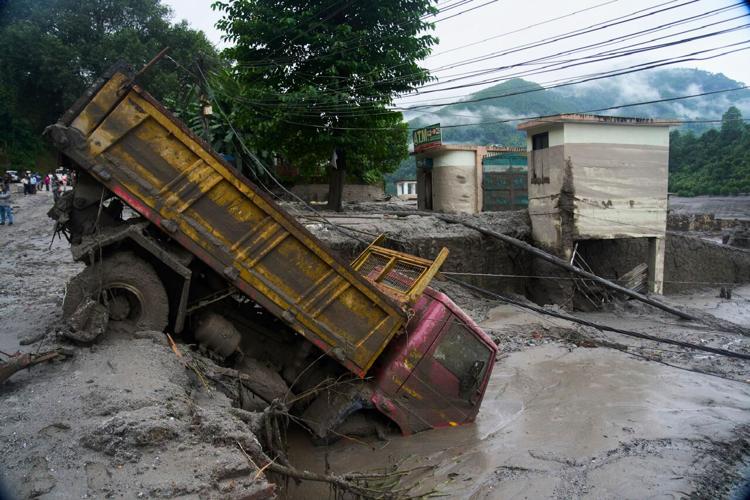
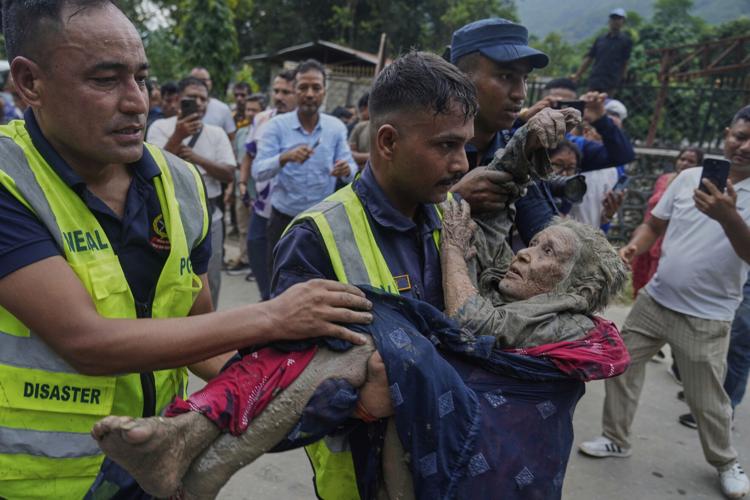
Images showed what appeared to be the second floors of buildings in Nepal’s hard-hit Nuwakot district slathered in mud after the torrent rushed by. Debris hung from tree branches and wires, vehicles were buried and some stunned survivors were caked in mud.
Nirajan Paudyal, a journalist based in Nepal's capital of Kathmandu, worried for his parents and other relatives who live in the small village of Soley in the district.
“There is no update till now. I fear there won’t be any update,” Paudyal said.
Helicopters deployed for rescue because roads were damaged
The disaster has left at least 826 people missing in Nepal. Authorities in Tibet, an autonomous region of China, reported at least three dead and 558 missing.
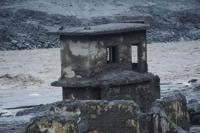
Nepalese officials said that dozens of bridges were destroyed and nearly 40 kilometers (25 miles) of roads were damaged, complicating search efforts.
The Nepalese army has rescued more than 100 people from flood-affected areas through helicopter operations, army spokesperson Brig. Gen. Raja Ram Basnet said. Army teams also evacuated people trapped inside facilities linked to the Trishuli hydropower project, he added.
Dozens of injured people have been transported to Kathmandu for advanced medical care.
Rescuers found bodies hundreds of kilometers (miles) in Chitwan district downstream from the hardest-hit areas.
Bishal Kumar Bhandari, chairman of the Nepal Red Cross Society, said they have shifted their focus from rescue to large-scale relief operations in the flood-hit districts. He said that around 1,200 people were displaced from at least three villages.
In Tibet, a mudslide that struck near the land border crossing of Gyirong Port on Wednesday left mud in the surrounding areas that was more than 1½ meters (5 feet) deep on average, Chinese state broadcaster CCTV reported. Roads leading to the crossing were all damaged, while secondary collapses or landslides might occur as rain continued in the area, it added.
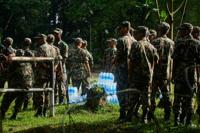
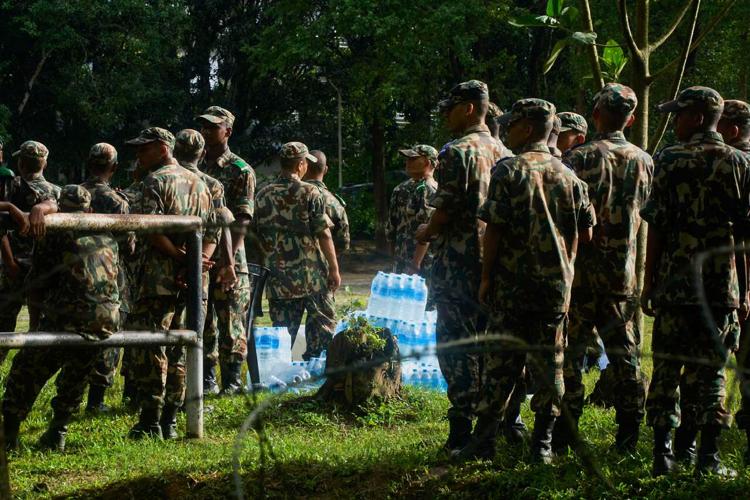
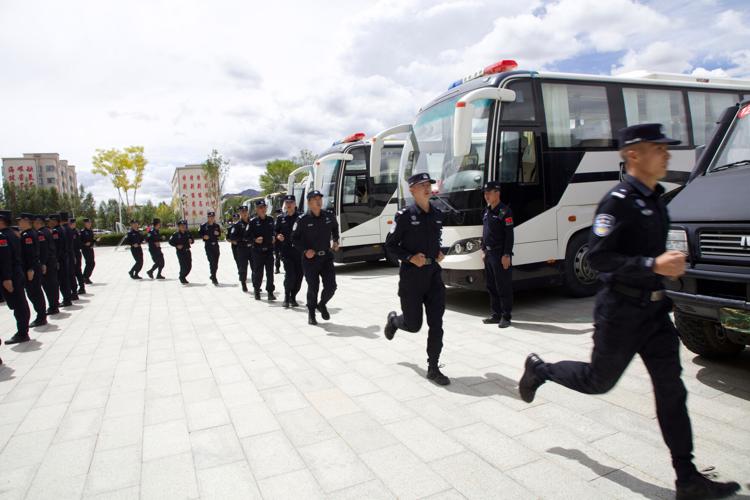
China's premier, Li Qiang, arrived in Gyirong on Thursday to direct rescue efforts, alongside 500 military and paramilitary personnel.
Chinese authorities also warned that a barrier lake, which formed at the confluence of the Tsogyal and the Purupqiangzangbu rivers, is overflowing and may burst.
The United Nations' humanitarian chief, Tom Fletcher, announced Thursday on X that he has ordered the release of $2 million from the U.N.'s Central Emergency Response Fund to help with medical care, shelter and water. He called the floods “horrifying.”
More than 1,300 are missing, including hundreds of foreigners
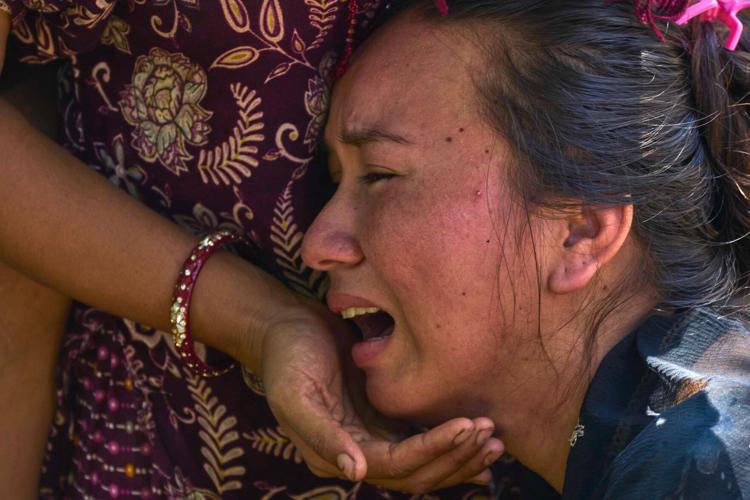
Many are still waiting to hear if their loved ones are alive.
Shova Shrestha, 33, has spent more than a day waiting for news of her husband, Rajan Shrestha, She said his phone rang when she first called after the floods, but later became unreachable. Since then, she has watched every helicopter that landed in Bidur, the capital of Nuwakot district, hoping he might be among the survivors.
“I keep looking at each helicopter, hoping he will step out of it,” Shova said.
Among the missing are 517 foreigners, according to Nepal’s Tourism Board.
They include 178 people from India, more than 60 from the U.S. and others from 30 other countries, ranging from Ukraine and the U.K. to South Africa and Japan, the board said.
Many of the missing may have been on a pilgrimage to Mount Kailash in Tibet, a sacred site for Hindus, Buddhists and others.
Seventy-seven people from one pilgrimage group were caught in the floods at the immigration office at the border, according to a post on X from Indian spiritual guru and the head of the Isha Foundation, Sadhguru Jaggi Vasudev.
A visibly emotional Sadhguru said in a video that the group included 22 U.S. nationals and others from various countries. He said that there was no official information on their whereabouts.
“Looking at the scale of destruction, it looks bad. The same building where we were for the immigration just a week ago, that entire building is washed away,” Sadhguru said.
India's Ministry of External Affairs said Thursday 288 of their nationals, including some workers on a power project, were missing.
China’s Ministry of Foreign Affairs spokesperson Lin Jian said that nearly 100 Chinese citizens were missing in Nepal. He said that according to preliminary information, 260 of those missing in Tibet were foreigners.
Experts say a glacier collapse may have caused devastating floods
The U.S. Geological Survey first reported a magnitude 4.4 earthquake early Wednesday, about 65 kilometers (40 miles) north of Kathmandu, near the border.
The USGS later updated its analysis to say the seismic event was instead a magnitude 5.2 glacier collapse that sent debris flowing downstream.
Climate experts at the Kathmandu-based International Centre for Integrated Mountain Development said an avalanche from a glacier likely caused Wednesday’s flash flood.
In an emailed statement, they said water levels at one point on the Trishuli River rose by as much as 9 meters (27 feet) in half an hour.
The disaster in Nepal and Tibet is not a one-off. The increasingly unstable Himalayan ice system threatens communities, infrastructure and water supplies across one of the world’s most densely populated regions.
The region saw similar flash floods in August 2025, when a glacial lake in Tibet overflowed because of high temperatures. Nine people were killed, and critical infrastructure, including a bridge connecting Nepal and China, was damaged.
Shristi Kafle reported from Kathmandu, Nepal. Upendra Mansingh in Nuwakot District, Nepal, Kanis Leung in Hong Kong, Aijaz Hussain in Srinagar, India, Rod McGuirk in Melbourne, Australia, Eileen Ng in Kuala Lumpur, Malaysia, and Charlotte Graham-McLay in Wellington, New Zealand, contributed to this report.