


The Federal Reserve raised its benchmark interest rate Wednesday for the first time since 2023 in an effort to quell stubbornly-high inflation, a move that could spur a sharp response from the White House.
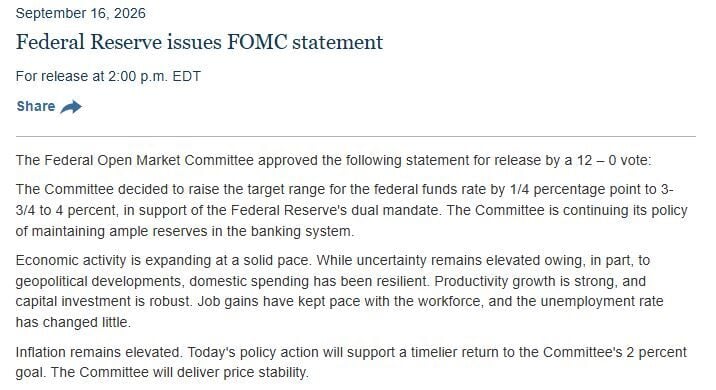
The quarter-point increase lifts the Fed’s key rate to about 3.9% and, over time, could result in higher borrowing costs for mortgages, auto loans, and credit cards. In a set of quarterly projections, the Fed also signaled that its rate-setting committee expects to hike rates a second time later this year to 4.1%.
“Today’s policy action will support a timelier return” to the central bank’s 2% inflation goal, the Fed said in a statement.
The move comes as Americans are already struggling with high costs for groceries, gas, and housing. Affordability has taken on a leading role in the upcoming midterm elections, just seven weeks away.
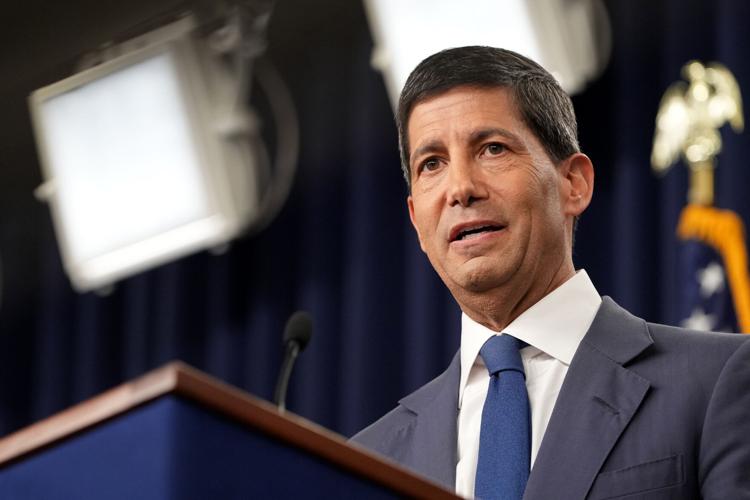
The rate hike is a surprising turnaround for Fed Chair Kevin Warsh, who was appointed by President Donald Trump and took over the top job in May. Warsh often suggested last year when under consideration by Trump that the Fed could reduce its key rate, echoing the president’s call for lower borrowing costs.
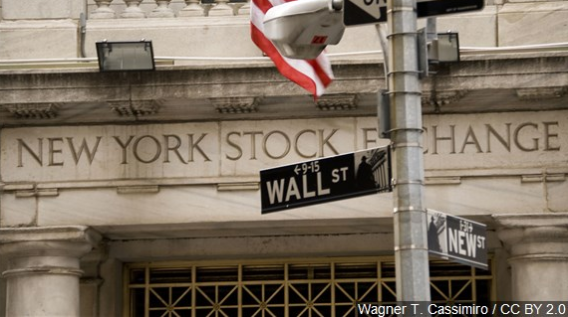
Meanwhile, U.S. stocks fell after the Federal Reserve hiked its main interest rate for the first time in three years and suggested more increases may be ahead as it tries to get the nation’s high inflation under control. The S&P 500 sank 0.4% Wednesday after giving up a modest gain from earlier in the day. The Dow Jones Industrial Average dropped 1.2%, and the Nasdaq composite slipped less than 0.1%.
Stocks turned lower after the Fed's chairman said repeatedly in a press conference following its decision that inflation remains too high and the U.S. economy appears to be strengthening.
(Copyright 2026 The Associated Press. All rights reserved. This material may not be published, broadcast, rewritten or redistributed without permission.)