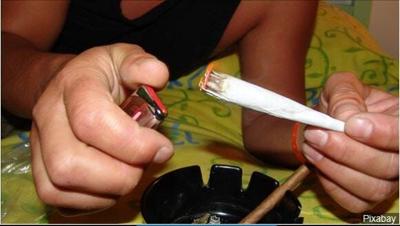


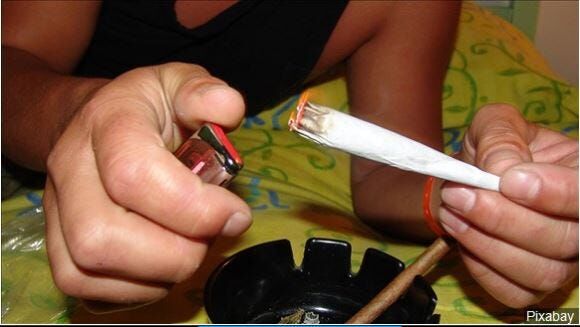
Recreational marijuana will go on sale in Nevada in less than two months. On Monday, The Department of Taxation adopted temporary regulations that will take effect July 1st, six months before the mandated deadline. The regulations are very similar to the existing guidelines for medical marijuana sales.
"I think, for the most part, there's been some push-back from people who thought we weren't ready or we didn't have enough time but Nevada's had the gold standard for medical marijuana laws since we started this, back in 2015, with our first sale," Will Adler, Executive Director of Sierra Cannabis Coalition said.
Only medical marijuana establishments will be able to apply for a license to sell recreational pot to the public. They’re accepting applications frommedical marijuana establishments for licenses to sell recreational marijuana, requiring a one-time application fee of $5,000. The deadline to apply is May 31st.
The use of recreational marijuana became legal January 1, less than two months after voters approved the ballot question. While people over 21 can smoke weed, they still don't have a legal way to buy it. That will change when the temporary regulations take effect in less than two months.
"We do have a gap in the timeline between 'legal to use' and 'legal to buy'. So, the shorter that gap is, the better," Adler said. "I think it is good for the state because the voters asked for this and we're trying to give it to them."
The Department of Taxation says the reason for the July start was because of revenue, expansion of medical marijuana companies, and public health and safety. The two-year budget cycle begins July 1, which coincides with the legal sale of recreational pot. The 15 percent wholesale tax is expected to generate $30-40 million in revenue per year. If the legislature approves Gov. Brian Sandoval's proposed 10 percent excise tax on recreational marijuana sales, an additional $30 million could be collected in the first year, used for education.
"I think it was a smart move and it gets us in line to have taxes in the governor's next budget," Adler said.
Along with an application fee, medical marijuana companies will have to pay a license fee that could be as low as $10,000 for a production or manufacturing facility, up to $30,000 for cultivation facility. Adler says existing standards for medical marijuana should make the transition to recreational sales easier.
"Now we just have to make it for adults, 21 or older, with the exact same model because we don't want it to be less secure, less safe, or less tested," Adler said. "They've done the background checks, they've done the testing, and they're there and ready."
Permanent regulations are in the works, and will take effect January 1. In the meantime, state and industry officials say the temporary regulations offer a safer alternative than buying marijuana on the black market.
"You don't know what you're getting unless you buy it from an industry store that says it's safe, lab-tested, and this is how much is in it and this is how it will affect you," Adler said. "Buying it on the street is just a magic green bag."
The state legislature is looking at several bills, regarding marijuana. It cannot change the law, passed by voters, for at least three years. Every regulations or law is in addition to the current law.