

If you are not a fan of bugs, you will not like this story. That is your warning.
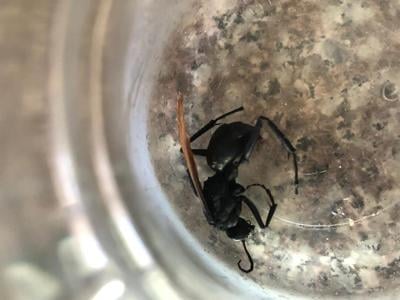
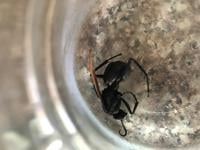
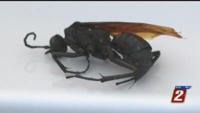
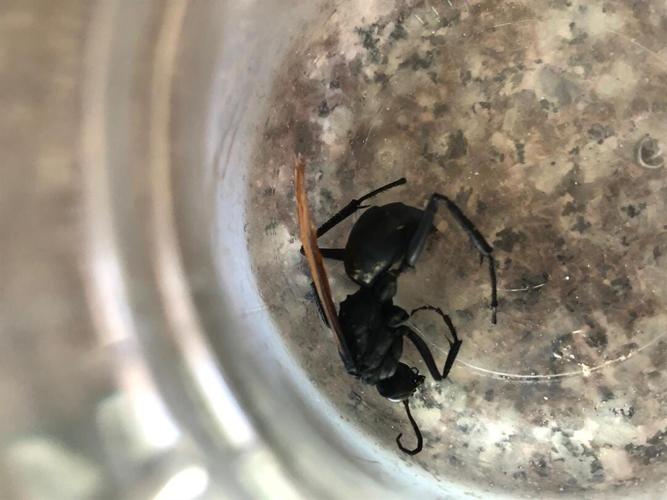
Sunday, a Damonte Ranch resident spotted an insect that is believed to have the second most painful sting in the world. Annette Childs spotted the tarantula hawk wasp in her backyard Sunday morning.
"I noticed a large insect crawling around,” she said. “I went to look at it. It looked pretty unusual.” She said the insect looked like a wasp. However, it was significantly larger, had orange wings, and was burrowing in her yard.
“It did not look very friendly,” she said.
She has lived in the neighborhood for a couple of years and has never seen one before. “No,” she laughed. “Definitely not.” Most people know the tarantula hawk wasp by the terrifying fact that the wasps attack tarantula spiders to lay their eggs on the spider.
Eventually the babies will make their way inside of the spider, killing it. In fact, some say the pain from the sting is comparable to a lightning bolt. “If I had known what it was, I would have never gone anywhere near it,” she said.
However, the wasps have little interest in people according to State Entomologist Jeff Knight. “They are not going to chase you down and sting you or anything like that,” Knight said.
Knight believes more people are noticing them due to neighborhoods expanding into their territory. “As we grow, we move into the desert which is their normal habitat,” said Knight.
Inside the Nevada Department of Agriculture, they have a collection of the tarantula hawk wasps. Believe it or not, they have been part of our ecosystem for quite some time.
“It is a common species around Northern Nevada,” he said. “It has been recorded here since the 1900’s.” It is still important to be aware of them, he said, including to teach your young children to pay attention and to watch your pets too.
“Our dog had some interest in it,” said Childs. “I shooed him away, without realizing how horrible it would've been if he had been stung by it.”
Knight recommends people or pets should be seen by a medical professional if somebody gets stung.
“If somebody does get stung, or a pet gets stung, depending on the reaction, get them to a doctor or to a vet,” he said.
Despite the fact they look ominous, he said people should not kill them. Just most insects, they are vital to an ecosystem. Instead, he recommends to leave it alone, and it will do its own thing.