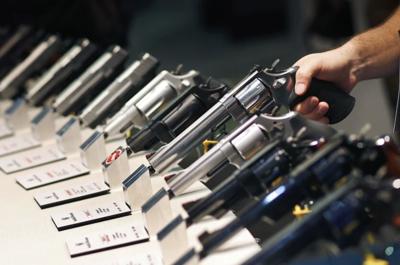

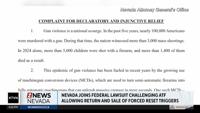

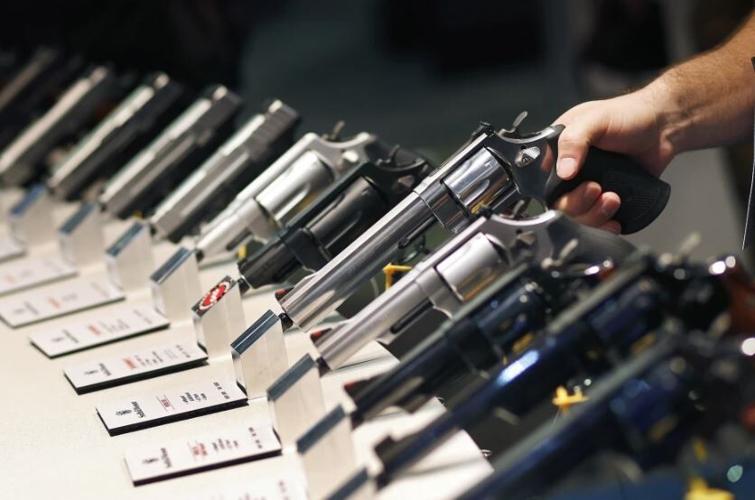
Sixteen states, including Nevada, have sued the Trump administration over its plan to allow the sale of forced-reset triggers that make semiautomatic rifles fire more rapidly and return devices already seized to their owners.
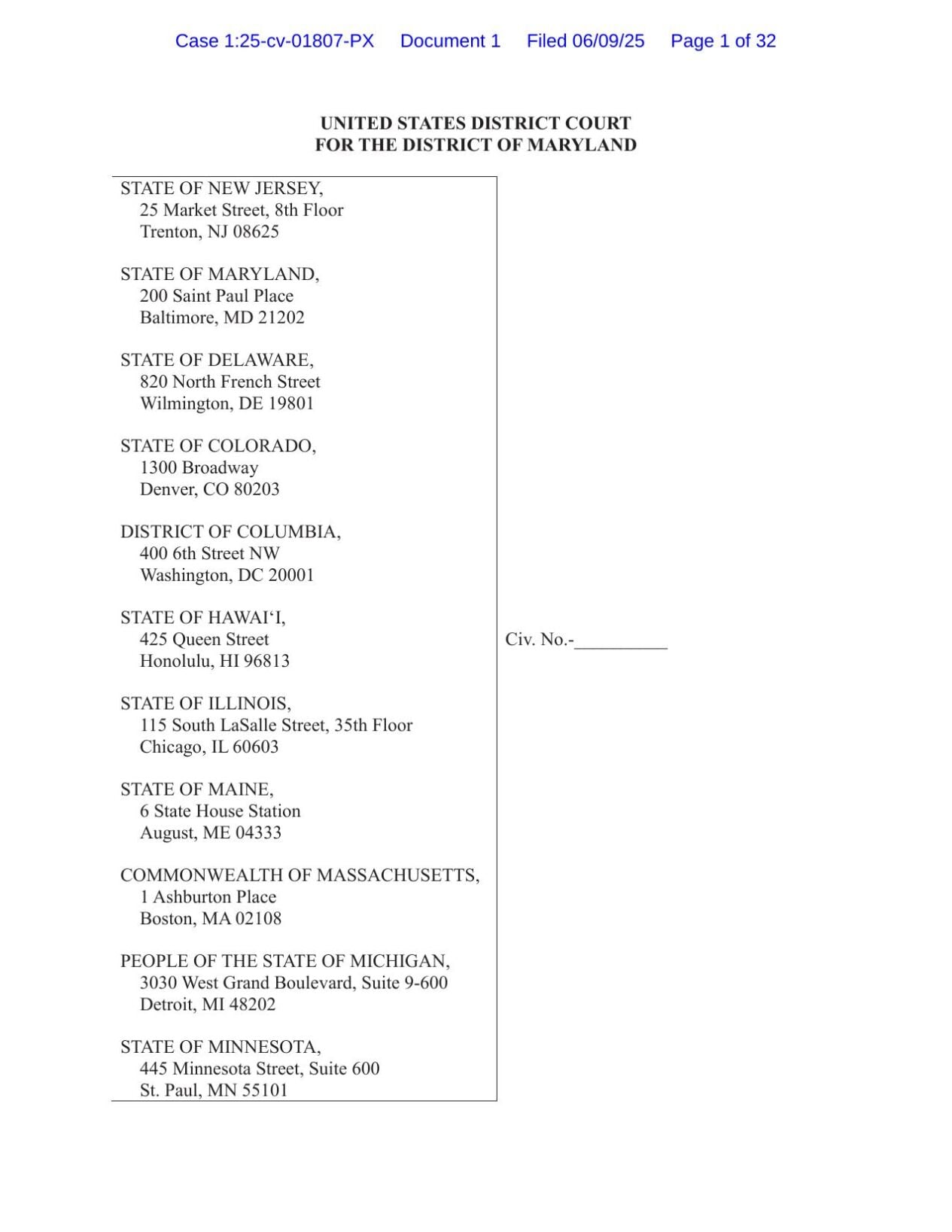
The suit announced Monday argues that returning the triggers would violate federal law, pose a threat to residents and law enforcement and worsen gun violence. It was filed in federal court in Maryland.
There had been several legal battles over the devices, which replace the typical trigger on an AR-15-style rifle. The Biden administration had previously argued the triggers qualify as machine guns under federal law because constant finger pressure on the triggers will keep a rifle firing, essentially creating an illegal machine gun.
“If the ATF distributes these devices across the country, not only will the agency run afoul of federal law, it will also put Americans at risk of further gun violence across the country,” says Nevada Attorney General Aaron D. Ford. “These devices, which allow normal guns to fire at a rate that exceeds many military-grade automatic weapons, have no legitimate use in our society. Our country's gun violence epidemic, which Nevadans are sadly far too familiar with, will be made worse by this action.”
Rare Breed Triggers, the maker of the devices, had argued that the Bureau of Alcohol, Tobacco, Firearms and Explosives was wrong in its classification and ignored demands to stop selling the triggers before being sued by the Biden administration.
The Justice Department reached a deal announced last month with Rare Breed Triggers to allow the sale of forced-reset triggers with. The company was previously represented by David Warrington, Trump’s current White House counsel.
Under the settlement, Rare Breed Triggers agreed not to develop such devices to be used on handguns, according to the Justice Department. The settlement requires the ATF to return triggers that it had seized or that owners had voluntarily surrendered to the government.
The states’ lawsuit is being led by the attorneys general of Delaware, Maryland and New Jersey. Other states involved are Colorado, Hawaii, Illinois, Maine, Massachusetts, Michigan, Minnesota, Nevada, Oregon, Rhode Island, Vermont, Washington, along with the District of Columbia. The attorneys general in those states are all Democrats, though the office in Hawaii is technically nonpartisan.
(Copyright 2025 The Associated Press. All rights reserved. This material may not be published, broadcast, rewritten or redistributed without permission.)