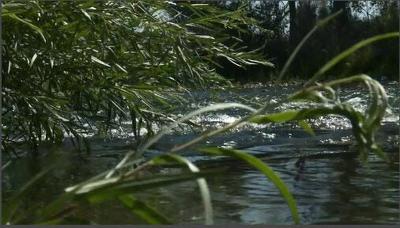

The Trump administration moved Tuesday to roll back an Obama administration policy that protected more than half the nation's streams from pollution but drew attacks from farmers, fossil fuel companies and property-rights groups as federal overreach.
The 2015 regulation sought to settle a debate over which waterways are covered under the Clean Water Act, which has dragged on for years and remained murky despite two Supreme Court rulings. President Donald Trump issued an executive order in February instructing the Environmental Protection Agency and the U.S. Army Corps of Engineers to rescind or revise the Obama rule, which environmentalists say is essential to protecting water for human consumption and wildlife.
In a statement, the agencies announced plans to begin the withdrawal process, describing it as an interim step. When it is completed, the agencies said, they will undergo a broader review of which waters should fall under federal jurisdiction.
"We are taking significant action to return power to the states and provide regulatory certainty to our nation's farmers and businesses," EPA Administrator Scott Pruitt said, adding that the re-evaluation would be "thoughtful, transparent and collaborative with other agencies and the public."
Environmental groups denounced the move, saying it would remove drinking water safeguards for one in three Americans while jeopardizing thousands of streams that flow into larger rivers and lakes, plus wetlands that filter pollutants and soak up floodwaters.
"Clean water is vital to our ecology, our health and our quality of life," said John Rumpler, senior attorney with Environment America. "Repealing the Clean Water Rule turns the mission of the EPA on its head."
The EPA and the Army Corps said dismantling the Obama rule would not change existing practices because the measure has been stayed by the 6th Circuit U.S. Court of Appeals in Cincinnati in response to opponents' lawsuits.
The proposed repeal is the latest in a series of Trump moves to undo President Barack Obama's environmental legacy, including withdrawal from the Paris climate change accord, rescinding the Clean Power Plan that sought to curb carbon emissions from coal-burning power plants and reversing a moratorium on leasing federal lands for coal mining. Trump also has proposed deep cuts in the EPA budget.
Nevada Attorney General Adam Paul Laxalt issued the following statement:
“I want to applaud Administrator Pruitt for taking this important first step by withdrawing this unlawful and harmful rule,” said Laxalt. “I again urge the EPA to fully consider the comment letter filed by 20 state attorneys general and to incorporate those comments in preparing its new rule.”
U.S. Senator Dean Heller (R-NV) released the following statement regarding the Environmental Protect Agency’s (EPA) announcement:
"Given that the Nevada is the driest state in the nation, water is a precious resource to Nevadans. Whether it's Marlow from Ruby Valley or Darryl from Yerington, Nevadans around the state have told me that they fear the WOTUS rule provides federal agencies with almost unlimited authority to regulate their farms and ranches at their own discretion," said Heller. “That's why I've been fighting against this overly burdensome Obama-era regulation that usurps power from Nevadans and puts it into the hands of Washington bureaucrats. The federal government already controls nearly 85% of Nevada’s lands, and I am concerned with any efforts that would give the federal government even more control especially over our water rights. I applaud the EPA for taking additional steps to repeal the WOTUS rule, which has burdened rural Nevadans and stifled job creation in Nevada."
(The Associated Press also contributed to this report.)