Northern Nevadans are spending a lot more time outdoors for the past couple of weeks. With that, local paramedics say they are already seeing an increase in heat related calls.
REMSA says, while this is always a busy time of year for them--they are already responding to double the calls so far this summer. They have scheduled extra staff for the season, but they want to urge everyone to remember preventative measures they should take first.
It includes the usual safety tips: drinking plenty of water, wearing protective clothing like hats and sunglasses, and applying sunscreen every so often. A sunburn is not the only thing you risk out in the almost triple digit heat, though.
Heat exhaustion is a very real and all too common occurrence. Take a break, find shade, drink water and go indoors if you experience any of the following, according to Adam Heinz, REMSA's Director of Clinical Communication, "Upset stomach, headache, dizziness; but it can progress pretty rapidly to something that could be deadly."
That, is known as heat stroke. Heinz says, if you or anyone you are with displays any of the following symptoms, or vomiting, it's time to call 911: "Altered level of consciousness, seizure, those people are hot to touch but they're dry."
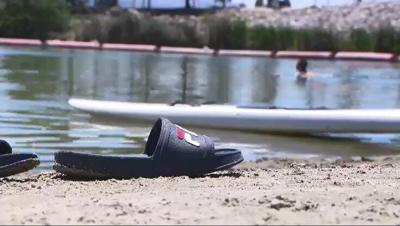
If you are in the water, it may be difficult to tell if you're nearing that danger zone, so its important to take a shade break even from swimming, every 15 to 20 minutes.
Heinz says on a normal day, you should take your weight, divide it by half and that's how much water you should drink. On days with extreme heat, you should increase that by 16 to 32 ounces per hour, and add electrolytes with drinks like Gatorade or Powerade.
For more information about prevention, signs and symptoms of extreme heat illnesses, click here.