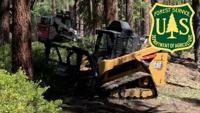
Hazardous fuels reduction work is scheduled to begin next week near Kings Beach as the U.S. Forest Service continues wildfire prevention efforts on the Lake Tahoe Basin Management Unit.
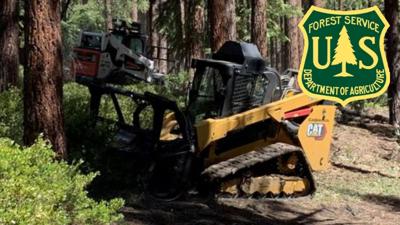
Mastication treatments are scheduled to begin Monday, July 13, near the Beaver Street area of Forest Roads 16N86 and 16N87. The work is expected to continue through the end of the month, weather, staffing, and conditions permitting.
The project will treat about 52 acres of ground vegetation and brush, including manzanita, whitethorn, and bitter brush, along with some small-diameter trees measuring less than six inches in diameter at breast height.
During active work, access to some areas may be temporarily disrupted for public safety. People are asked to stay a safe distance from heavy equipment and work areas.
Mastication, also known as forest mulching, uses heavy equipment to chop, grind, or shred vegetation into smaller pieces that are spread across the ground and left to decompose naturally.
The U.S. Forest Service said fuels reduction treatments help protect communities by removing excess vegetation that can fuel unwanted wildfires. In the Tahoe Basin, forests are overstocked and vulnerable to insects, disease, and wildfire. Reducing vegetation helps limit ladder fuels and creates space between surface and crown fuels to help keep fires on the ground.
The agency said the projects also support defensible space and home hardening efforts on private property while improving forest health, wildlife habitat, watersheds and overall forest resilience.
People may notice short-term changes to the appearance of treated forest areas because freshly chipped vegetation is more visible immediately after work is completed. The Forest Service said those areas recover quickly as new vegetation grows over the next few years.
A map with additional information is available on the Tahoe Fire & Fuels Team website.