




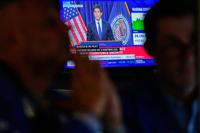
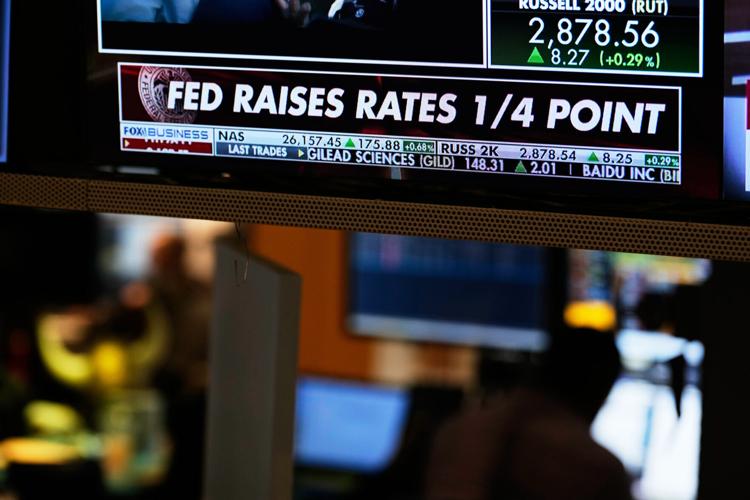
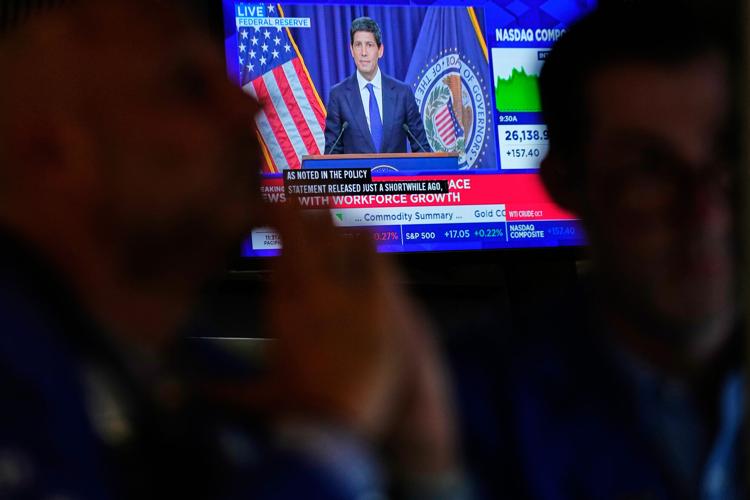
HONG KONG (AP) — Asian shares were mixed on Thursday after Wall Street closed lower following the Federal Reserve’s interest rate hike decision for the first time in three years.
U.S. futures were higher.
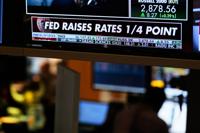
The quarter of a percentage point increase brings the Fed’s key rate to a target range of 3.75%-4.00%, as it attempts to control U.S. inflation that’s been stubbornly above its target.
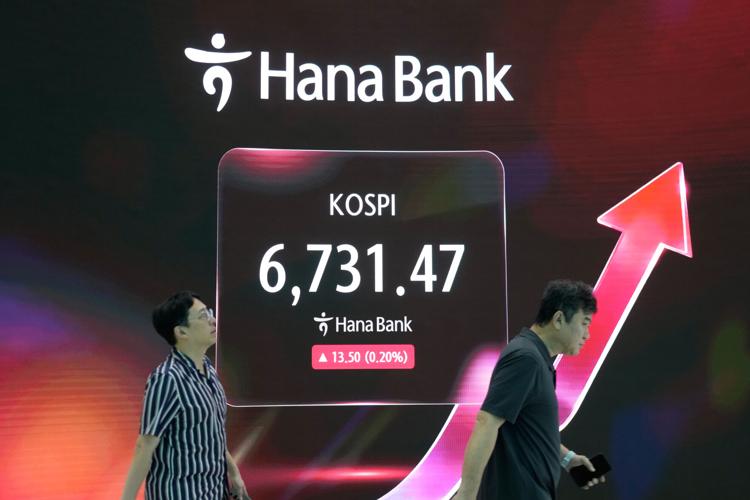
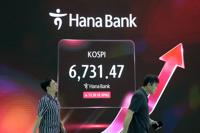
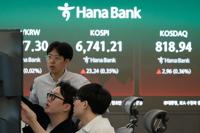
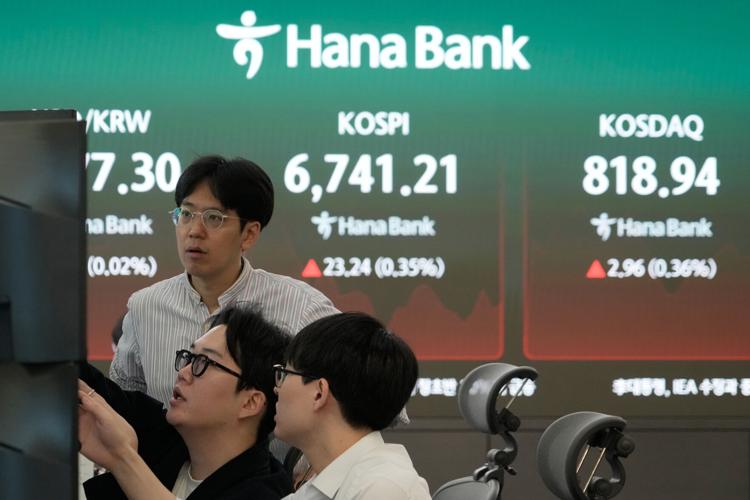
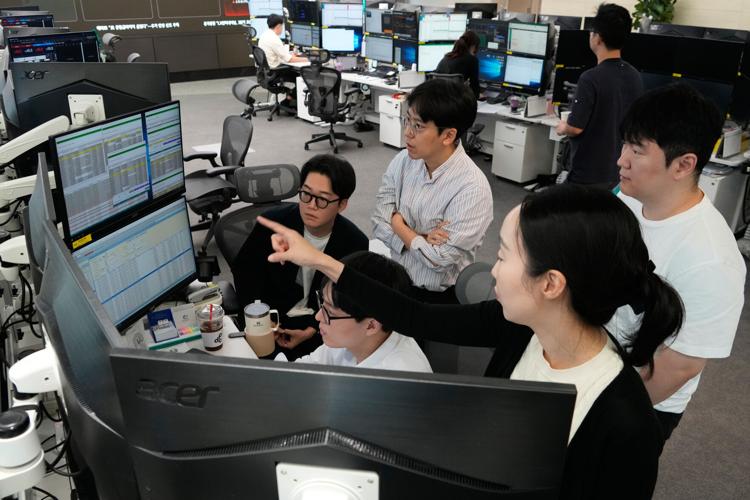
Japan’s Nikkei 225 index gained 0.3% at 64,136.25. South Korea’s Kospi edged down less than 0.1% to 6,715.41. The Hong Kong Hang Seng fell 0.6% to 24,569.40, while the Shanghai Composite index lost 0.4% to 3,875.60.
Australia’s S&P/ASX 200 climbed 0.4% to 8,732.40.
Taiwan’s Taiex jumped 1%, while India’s Sensex edged up 0.3%.
On Wednesday, Wall Street’s benchmark S&P 500 dropped 0.5%. The Dow Jones Industrial Average fell 1.2%, and the technology-heavy Nasdaq composite was mostly unchanged.
Market reactions were “pretty much expected since the rate rise was also in line with market expectation,” said Lorraine Tan, director of equity research for Asia at Morningstar on Thursday, but the ongoing Iran war is likely to keep pressure on inflation.
Following the Fed’s announcements, the two-year U.S. Treasury yield rose to 4.69% compared to around 4.67% late Tuesday. The yield on the 10-year Treasury remained at near 5.00% at an elevated level.
Government bond yields have remained higher since the war as the war-driven energy shock adds to inflationary pressure while investors also worry about growing U.S. national debt.
The U.S. dollar fell early Thursday to 155.67 Japanese yen from 156.26 yen. The euro was trading at $1.1478, up from $1.1465.
Oil prices fell. There are still limited oil flows in the Strait of Hormuz, the narrow waterway crucial for global oil transport, and as Saudi Arabia’s closure of a key oil pipeline adds to oil supply pressure as it moves to repair the pipeline.
Brent crude, the international standard, traded 1.7% lower at $104.01 a barrel early Thursday, but still well above the around $72 per barrel in late February before the war.
AP Business Writer Stan Choe contributed to this report.