










NEW YORK (AP) — U.S. stocks are rising Thursday and recovering most of their losses for the week.
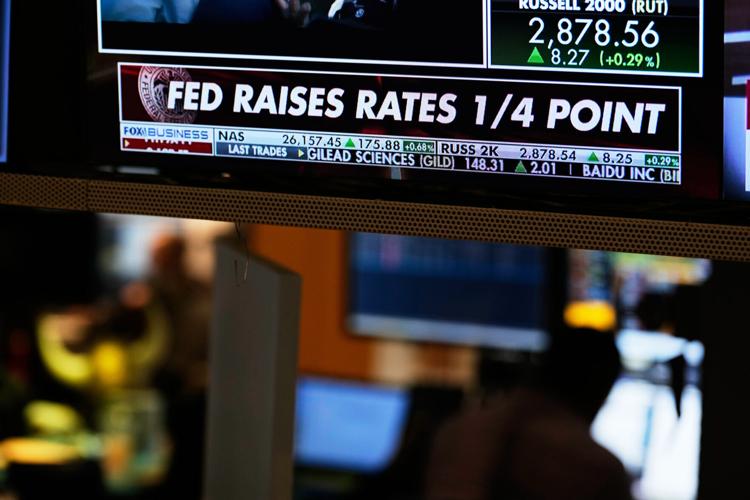
Falling oil prices and easing pressure from the bond market helped Wall Street reverse many of its moves from the prior day, when the Federal Reserve hiked its main interest rate for the first time in years and suggested more may be ahead as it tries to get the nation’s high inflation under control.
The S&P 500 climbed 1.1% and was on track for just its second rise in the last nine days. The Dow Jones Industrial Average was up 355 points, or 0.7%, as of 1:04 p.m. Eastern time, and the Nasdaq composite was 1.7% higher.
Stocks got a boost after the price for a barrel of Brent crude oil slid 1.4% to $104.38. That’s down sharply from the nearly $110 it reached earlier in the week on worries that the war with Iran will keep oil bottled up in the Middle East instead of going to customers worldwide.
Brent is of course still much more expensive than the $72 per barrel that it cost earlier this summer, but Thursday’s slide helped pull yields lower in the bond market and removed some pressure on stocks. The yield on the 10-year Treasury fell to 4.95% from 5.01% late Wednesday.
Higher yields make it more expensive for everyone to borrow money, from the U.S. government to people looking to buy houses to businesses wanting to build data centers. That in turn slows the economy.
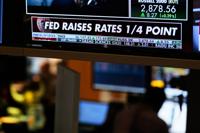
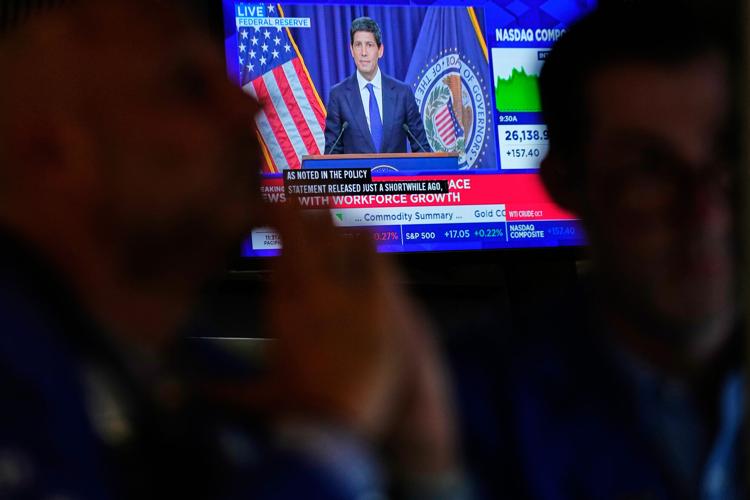
The Fed on Wednesday raised the short-term interest rate that it controls, the federal funds rate, by a quarter of a percentage point for its first hike in more than three years. Officials also indicated at least one more increase may be coming this year and that the Fed may then keep the federal funds rate high through next year.
The signals sent Wall Street on a roller coaster. Stocks initially held onto their gains from earlier in the day after the Fed made its announcement Wednesday. They then slid sharply before recovering a chunk of the losses before trading ended for the day.
On the upside for markets, the shift to higher interest rates built confidence that the Fed is committed to getting inflation back to its target of 2%. Questions had begun to bubble in the summer about whether it would feel pressure from President Donald Trump, who is calling for lower interest rates. And the short-term cost of pain for the economy could be worth it if it gets inflation under control following years of staying too high.
On the downside for markets, higher rates undercut prices for stocks and other investments. When investors are earning more in interest from owning bonds, which are considered safer investments, they’re less willing to pay high prices for other kinds of investments. That’s beyond the effect higher rates have on slowing the economy in hopes of removing fuel for inflation.
Some reports on Thursday signaled the U.S. economy may be strong enough to withstand higher interest rates. One said fewer U.S. workers applied for unemployment benefits last week. Another said that manufacturing growth in the mid-Atlantic region was stronger than economists expected.
Fed Chairman Kevin Warsh said on Wednesday that a strengthening economy is one of the reasons Fed officials moved to raise interest rates after keeping them on hold earlier this year.
He also cited “geopolitics,” along with the threat that increases in prices it’s causing could filter out and push up inflation elsewhere. That’s likely a nod to the war with Iran and its effect on oil prices.
On Wall Street, stocks in the artificial-intelligence industry continued to rebound following their worldwide slide on Monday.
Nvidia climbed 2.4%, and Advanced Micro Devices rose 7.1%. That was even though OpenAI disclosed six more reports of “unexpected or concerning” behavior in AI models. Leaders of the AI industry over the weekend called for a slowdown in development to address safety issues for humanity
Stocks of several homebuilders also rose, even though a report showed the industry broke ground on fewer new homes last month than economists expected. The housing industry has been one of the hardest hit by the climb for the 10-year Treasury’s yield, which topped 5% this week for the first time since 2023 and has sent mortgage rates higher.
Thursday’s ease in yields helped offer some support, and D.R. Horton rose 1.3%, while PulteGroup added 0.8%. Rival Lennar wavered throughout the day and was most recently down 0.4% after reporting weaker profit and revenue for the latest quarter than analysts expected.
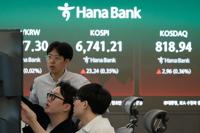
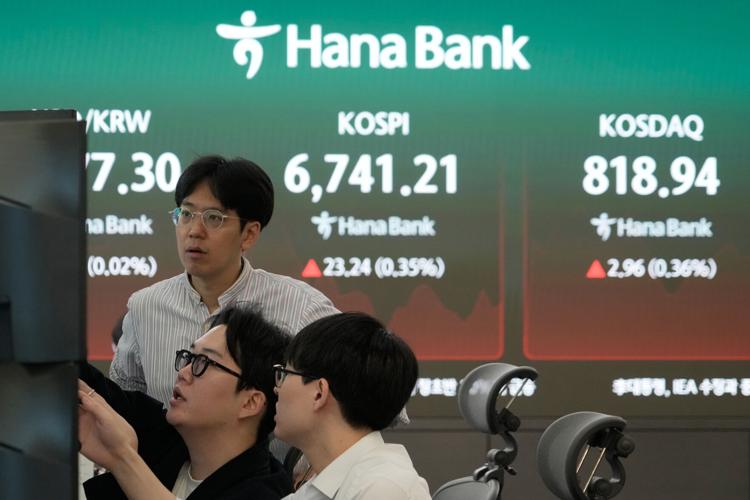
In stock markets abroad, indexes rose across much of Europe following a weaker finish in Asia.
London’s FTSE 100 rose 1.2% after the Bank of England decided to keep its interest rates on hold.
AP Business Writers Chan Ho-him and Michelle Chapman contributed to this report.