Avalanche danger, chain controls, and flooding impact Sierra, northern Nevada, and California
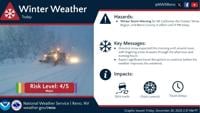
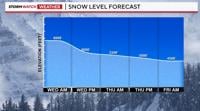
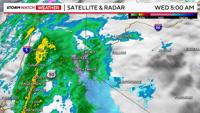
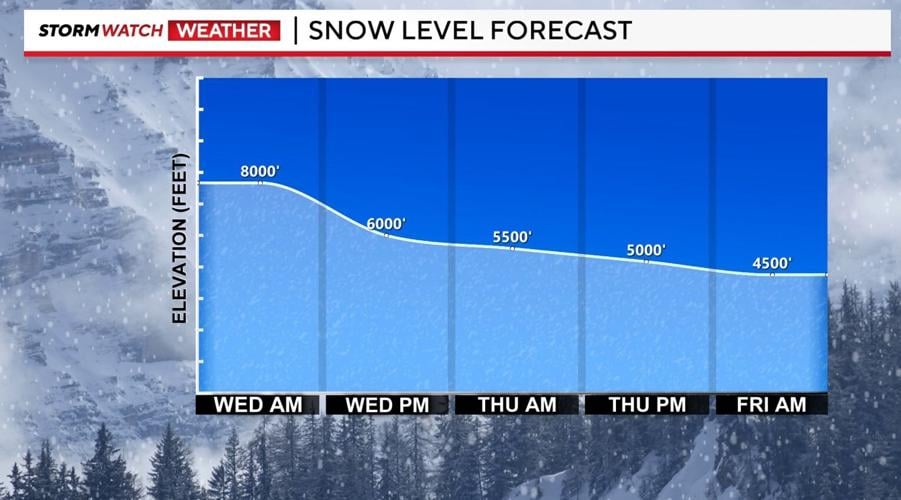
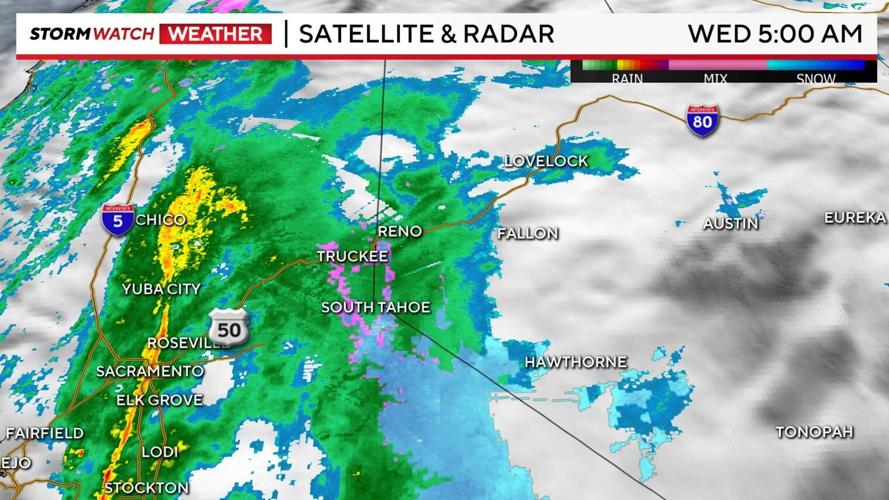
Showers are sweeping across the Sierra and into parts of Northern Nevada and Northern California, bringing heavy rain, gusty winds, and snow as low as 6,400 feet, creating dangerous travel and backcountry conditions ahead of the holiday.
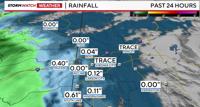
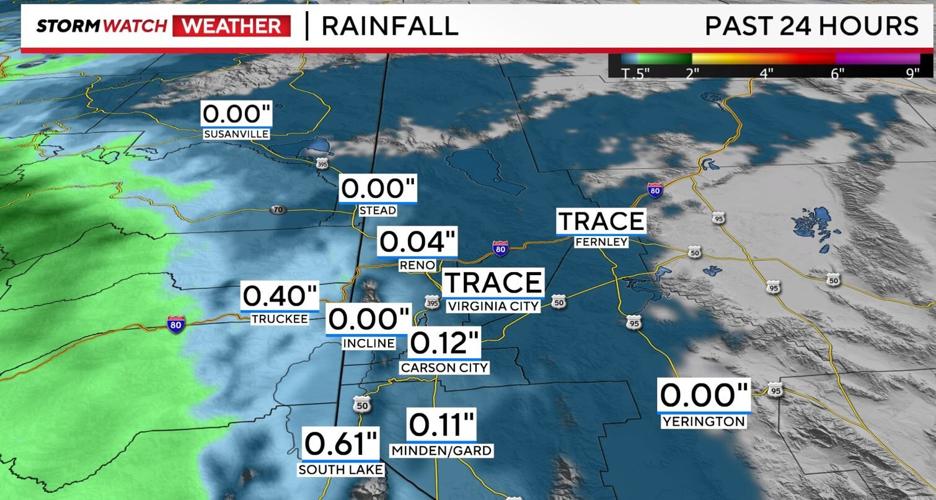
Totals have exceeded half an inch since midnight in South Lake Tahoe, with Truckee approaching the same amount.
Rain has spilled over the Sierra into lower elevations, and snow levels are expected to drop between 6,000 and 7,000 feet this afternoon, with levels falling closer to valley floors by Christmas night.
Sierra Nevada and Lake Tahoe avalanche danger
The Sierra Avalanche Center has issued a Backcountry Avalanche Watch for the Greater Lake Tahoe area, in effect until 5 a.m. Thursday has high avalanche danger.
The center warns that high avalanche danger, heavy snow and strong winds could trigger widespread avalanche activity capable of burying people. Downed trees and debris are also possible. The risk level is 4 out of 5, and any travel in avalanche terrain is not recommended. More information is available through the Sierra Avalanche Center.
The Sierra Avalanche Center has issued a Backcountry Avalanche Watch for the backcountry areas around the Greater Lake Tahoe region as high avalanche danger is expected Thursday. For more info, visit https://t.co/vR2pxnmQvV#cawx #nvwx pic.twitter.com/d8T4QURnNq
— NWS Reno (@NWSReno) December 24, 2025
Chain controls on all Tahoe routes
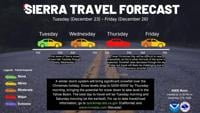
Chain controls are in effect on all roadways leading up to Lake Tahoe, as shown on Nevada 511. Drivers should expect significant travel delays and difficult driving conditions throughout the Sierra.
Current chain restrictions include:
• I-80 is R-2 in both directions from the Nevada state line to Cisco
• SR-267 is R-2 from Truckee to Kings Beach
• SR-89 is R-2 from Truckee to Tahoe City
• SR-28 is R-2 from Tahoe City to Kings Beach
• Trucks are at maximum restrictions
Chain controls are also in effect on U.S. 395 and other highways in Mono County.
Drivers in Nevada are urged to check Nevada 511 for updated road conditions. California drivers can visit the Caltrans QuickMap to see where chain controls are in place, view traffic cameras, and check current road conditions.
Winter storm and high wind warnings
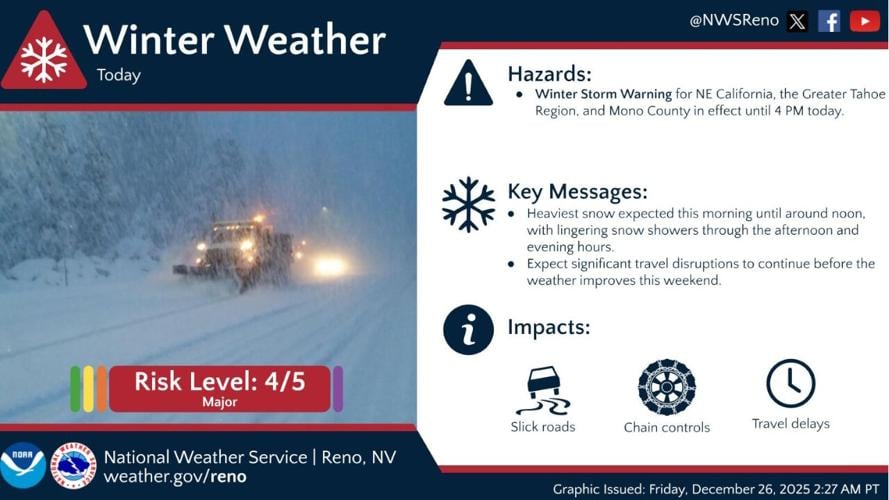
The National Weather Service in Reno has issued a winter storm warning for the Greater Tahoe region, Mono County, and parts of Northern California from Christmas Eve through Friday morning.
A winter weather advisory remains in effect until Wednesday at 4 p.m.
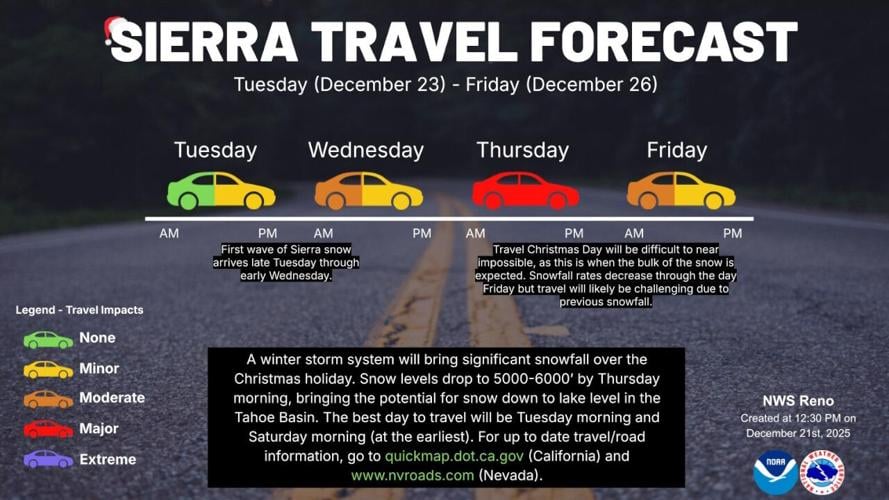
Drivers should expect slick roads, slowdowns, and possible road closures as snow levels drop near valley floors on Christmas night, which may impact travel in western Nevada valleys and foothills.
A wind advisory is in effect Thursday from 4 a.m. to 10 p.m. across western Nevada and parts of northeast California. South winds of 15 to 25 mph with gusts of 45 to 55 mph are expected, with gusts up to 65 mph on ridges.
At Pyramid Lake, south gusts could reach 40 mph, with wave heights between 2 and 4 feet. Gusty winds could blow unsecured objects, down tree limbs, and cause limited power outages.
Susan River flooding in Susanville
A Flood Advisory is in effect for the Susan River at Susanville due to heavy rainfall.
Local flooding could impact Lassen Street downstream along Riverside Drive, rural roads, and U.S. 395 near Litchfield. Additional rainfall is expected to maintain flooding concerns until snow levels fall on Thursday. The advisory remains in effect until early Thursday afternoon. People are urged to avoid flooded roadways.
Southern California storm impacts
Forecasters say Southern California could see its wettest Christmas in years, with threats of flash flooding, mudslides, and debris flows in areas burned by last January’s wildfires. Los Angeles County officials are contacting about 380 households in vulnerable areas and ordering evacuations.
There is also a risk of severe thunderstorms and a small chance of tornadoes along the northern coast. State and local agencies, including the California National Guard, are on standby to respond to emergencies.
An atmospheric river is a long, narrow band of water vapor that forms over an ocean and flows through the sky, transporting moisture from the tropics to northern latitudes.
“If you’re planning to be on the roads for the Christmas holidays, please reconsider your plans,” said Ariel Cohen, a National Weather Service meteorologist in Los Angeles.
Heavy snow will impact the mountains of northern California tonight through the end of the week, and combined with strong southerly winds will lead to whiteout conditions at times. Holiday travel in the mountains is highly discouraged! #CAwx
— NWS Sacramento (@NWSSacramento) December 24, 2025
Roads: https://t.co/6jnhwJwK5a pic.twitter.com/aoPHiwUbcV
The atmospheric river that's about to hit us is also raising concerns about flooding in southern California.
An atmospheric river is a long, narrow band of water vapor that forms over an ocean and flows through the sky, transporting moisture from the tropics to northern latitudes.
For up-to-date weather conditions, download the 2News app.
For Nevada drivers, law enforcement officials recommend visiting the Nevada 511 website for current road information.
California drivers can also tune to 530 AM, 1610 AM, or 1670 AM for Caltrans updates, or call the Caltrans hotline at 1-800-427-7623.
Winter driving tips
The Carson City Sheriff’s Office has compiled these essential winter driving tips.
1. Prepare Your Vehicle for Winter Conditions
Before heading out, make sure your vehicle is ready for the challenges of winter. Start with a thorough inspection:
- Tires: Ensure your tires are properly inflated and have sufficient tread for winter driving. Consider switching to winter tires, which offer better traction on snow and ice.
- Battery: Cold temperatures can strain your vehicle’s battery. Check the battery’s charge and condition, and replace it if necessary.
- Fluids: Keep your gas tank at least half-full to prevent fuel lines from freezing. Make sure your antifreeze, windshield washer fluid, and oil are at appropriate levels.
- Wipers and Defrosters: Check that your windshield wipers are in good condition, and that both front and rear defrosters are working properly to ensure visibility.
2. Slow Down and Increase Following Distance
Winter roads can be unpredictable. Ice and snow reduce traction, and stopping distances increase significantly. Always drive at a reduced speed and increase your following distance to give yourself plenty of time to react to potential hazards. On icy roads, try to avoid sudden movements such as hard braking or sharp turns.
3. Know How to Handle Skids
If your vehicle begins to skid on ice or snow, remain calm and take these steps:
- Rear-Wheel Skid: Steer gently in the direction you want the front of the car to go. Avoid slamming on the brakes.
- Front-Wheel Skid: If you lose traction, take your foot off the gas pedal and steer in the direction you want to go. Wait until you regain control before smoothly applying any gas.
4. Clear Snow and Ice from Your Vehicle
Before starting your journey, clear all snow and ice from your vehicle, including the roof, windows, mirrors, headlights, and taillights. This will help improve visibility and prevent ice or snow from flying off your vehicle and causing hazards to other drivers.
5. Be Prepared for Emergencies
- Winter driving can be unpredictable, so it's always a good idea to carry an emergency kit in your car. Essential items include:
- Warm clothing, blankets, and gloves
- Non-perishable snacks and water
- Jumper cables
- First-aid kit
- Flashlight with extra batteries
- Sand or kitty litter for traction if you get stuck.
6. Be vigilant for the unexpected.
Anticipate pedestrians in non-traditional areas, such as walking in the road if sidewalks are unplowed.
- Slow Down Near Crosswalks: Reduce speed in neighborhoods and shopping centers, and look in crosswalks for any movement.
- Watch for "Stealth" Pedestrians: Be aware that many people do not wear reflective gear.
7. Stay Informed
Before hitting the road, check the weather and road conditions. If the forecast predicts heavy snow, freezing rain, or hazardous driving conditions, consider postponing your trip or choosing an alternative route. Always allow extra time for travel in winter conditions.
For up-to-date weather conditions, download the 2News app.
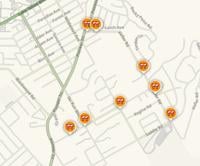
Sandbag locations near Reno
- City of Reno Corporation Yard – 1640 E. Commercial Row
- Mira Loma Park – South end of the lot, 3000 S. McCarran Blvd.
- Moya Blvd. near Red Baron Blvd.
- Reno Fire Station #5 (Mayberry) – 1500 Mayberry Dr.
- Horseman’s Park – 2800 Pioneer Dr.
- Idlewild Park – 2055 Idlewild Dr
(The Associated Press contributed to this report.)