After months of evaluating our roads, parks, even energy, Nevada's report card on its infrastructure is out.
While there's some good news, there's still room for improvement.
The American Society of Civil Engineers in Nevada worked hard on the 2025 Report Card for Nevada's Infrastructure.
"It takes a fair amount of effort to put this thing together, a lot of research goes into it, months," said Chuck Joseph, Co-Chair for the Nevada section of the ASCE that worked on the report.
Nevada improved from its previous C grade to a C+ for the state's infrastructure. In comparison, the entire country got a C, so Nevada ranks one step higher.
Joseph says they would like to do these report cards every four years, but the last time they did one was in 2018. The reason for the delay was the COVID-19 pandemic.
The report card looks at different categories, including bridges, roads, wastewater, drinking water, aviation, energy, and dams.
The 73 page report gives a robust look at the state's infrastructure.
"Well, the state has improved. We are actually one of the four best states as assessed by ASCE and the entire country, and we have some of the best roads and bridges in the country," Joseph said. "Our aviation is really improving and there's a lot of build out going there."
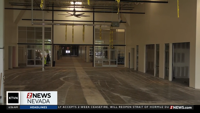
He says that the improvement projects for the Reno-Tahoe International Airport are partially a reason as to why that score increased.
The highest individual scores were bridges and wastewater, which received a B-.
However, there is always room for improvement.
"We had two categories that decreased, and that was parks and energy," Joseph said.
They believe the growth of the state, and more people living here is what's making the quality of parks slip a bit
The increase in demand for energy sources is what they say is impacting that grade.
When it comes to making improvements, Joseph says it mostly comes down to the dollar.
"It seems like we need to develop and implement a new mechanism for transportation funding," Joseph said.
Some other recommendations Joseph gave were for more counties to start indexing fuel taxes, increase maintenance and operation budgets, and to continue to support emerging technologies.