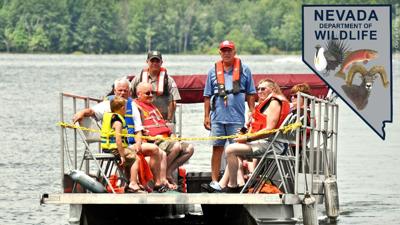

As more people head out on the water, state wildlife officials say the biggest danger may not be what it looks like on the surface.
The Nevada Department of Wildlife is urging boaters, paddlers, and kayakers to wear life jackets and stay alert to the risks of cold water shock as the season begins.
One fatality has already been reported this season on an interstate waterway, even as boating activity is just starting to increase. Officials say it is an early reminder that water conditions can quickly become dangerous, even on warm, sunny days.
“Cold water can impact you much faster than most people realize,” said Kristy Knight, NDOW’s Chief Game Warden. “Even when the weather is warm, water temperatures remain cold this time of year. Sudden immersion can trigger cold water shock, which can lead to rapid breathing, panic, and loss of muscle control within minutes. A life jacket can make the critical difference.”
Medical experts, including those at Renown Health, have also warned about the risks of cold water drowning, noting that sudden exposure can overwhelm the body before a person has time to react.
Officials say when a person is suddenly submerged in cold water, they can quickly lose control of their arms and legs, making it difficult to stay afloat. Without a life jacket, even strong swimmers can struggle.
Under Nevada law, children under 13 are required to wear a life jacket. All vessels, including paddle boards and kayaks, must also have a properly fitting U.S. Coast Guard approved life jacket for each person on board or being towed. NDOW recommends that everyone wear one at all times while on the water.
“Life jackets save lives,” said Knight. “The majority of boating related drowning victims each year are not wearing one. A life jacket keeps you afloat if you become exhausted or incapacitated and gives you valuable time until help arrives.”
Officials are also encouraging people heading out on the water to check weather conditions, dress for water temperatures, go with a partner when possible and let someone know when they plan to return.
As boating activity ramps up, NDOW says making safety a priority can make the difference in an emergency.