

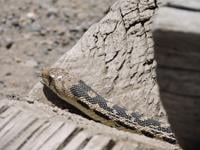

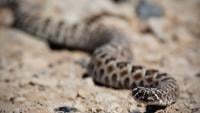

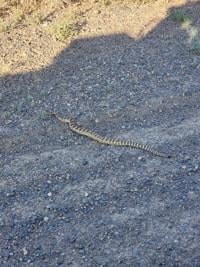

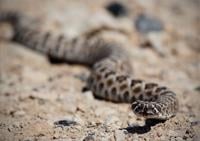
Snake season is underway across Northern Nevada, and if you are spending time outside, you may start to notice more activity on local trails and in parks.
According to the Nevada Department of Wildlife, both venomous and non-venomous snakes are active this time of year, and knowing how to identify them and respond can help reduce risk.

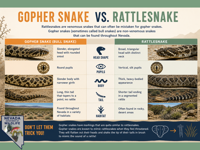
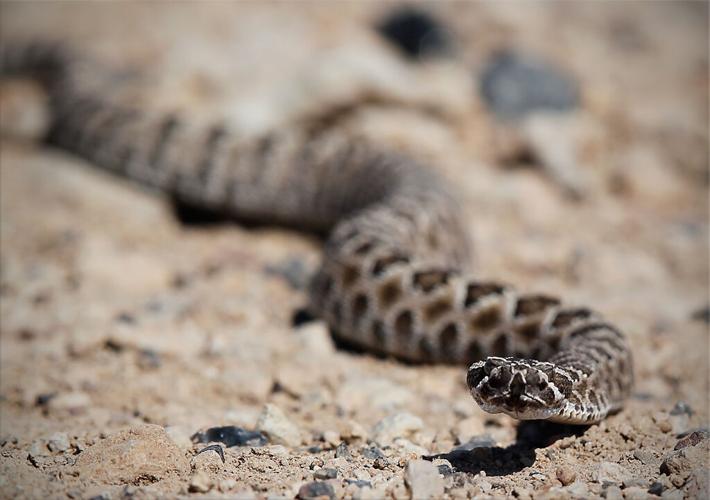
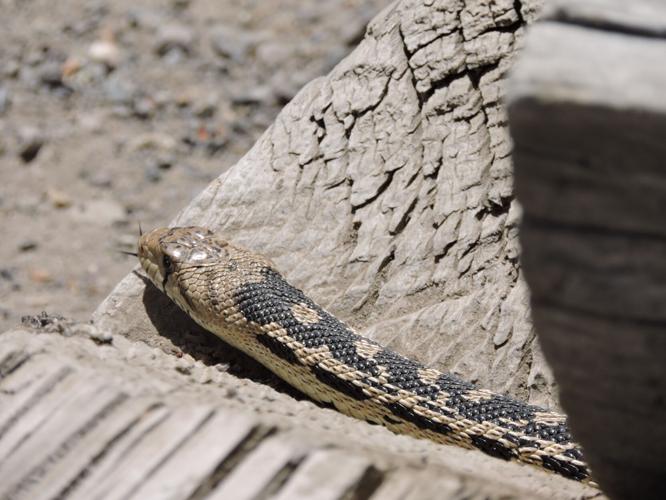
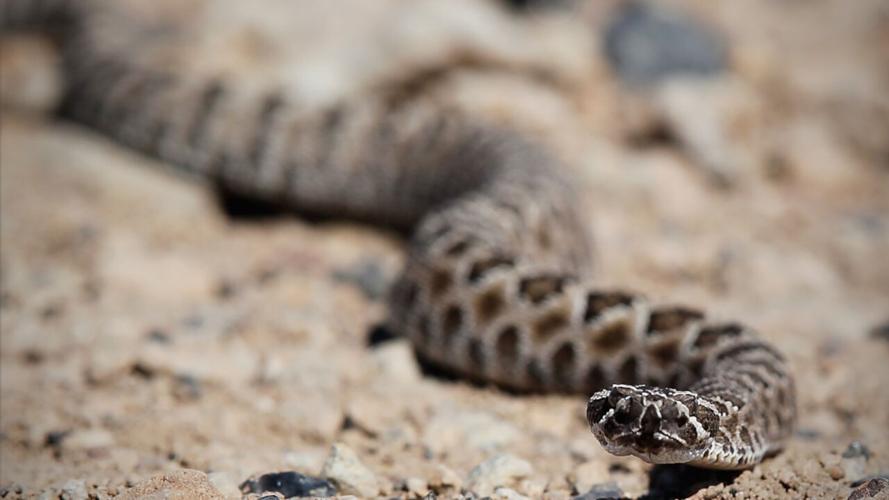
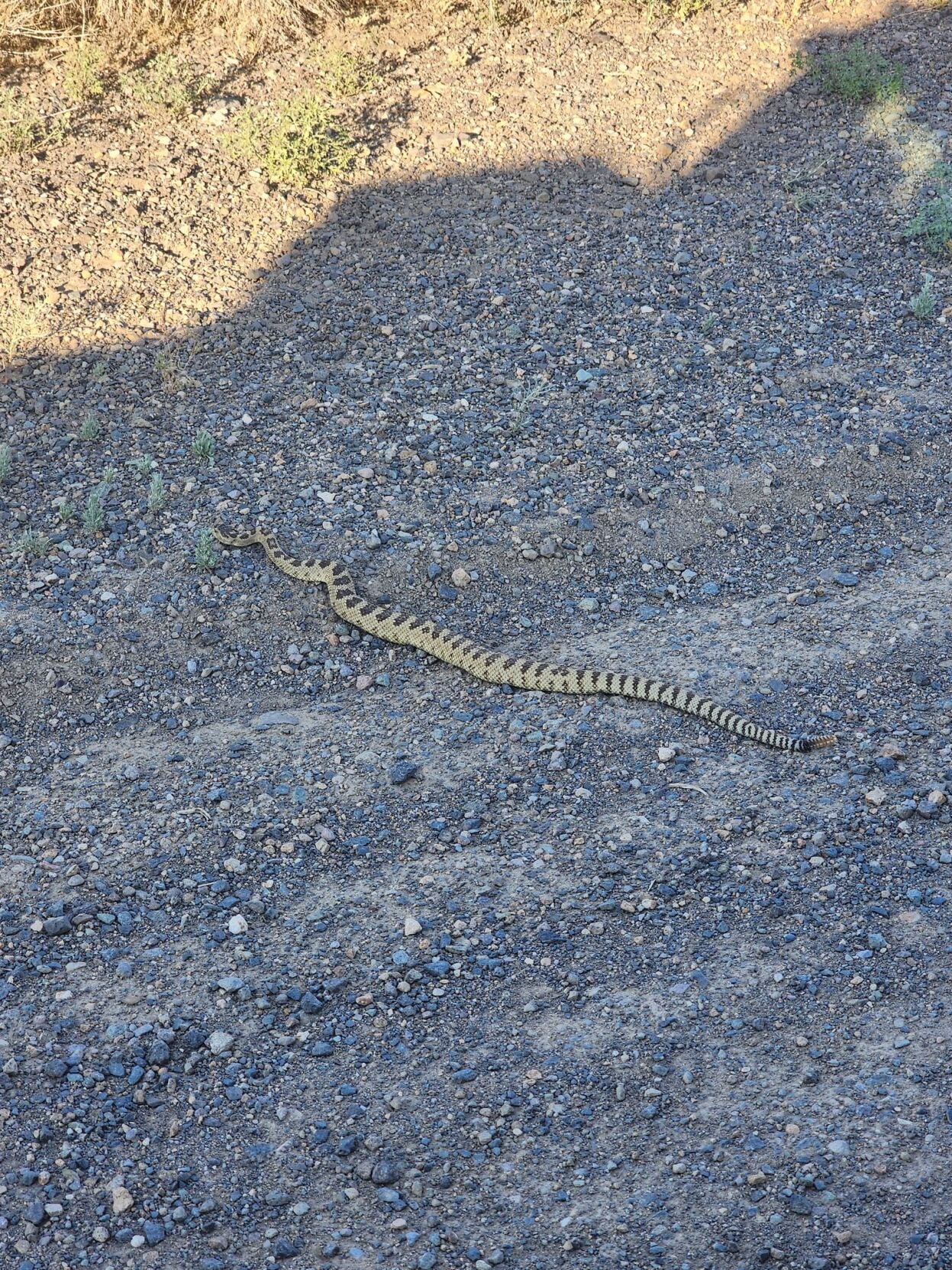
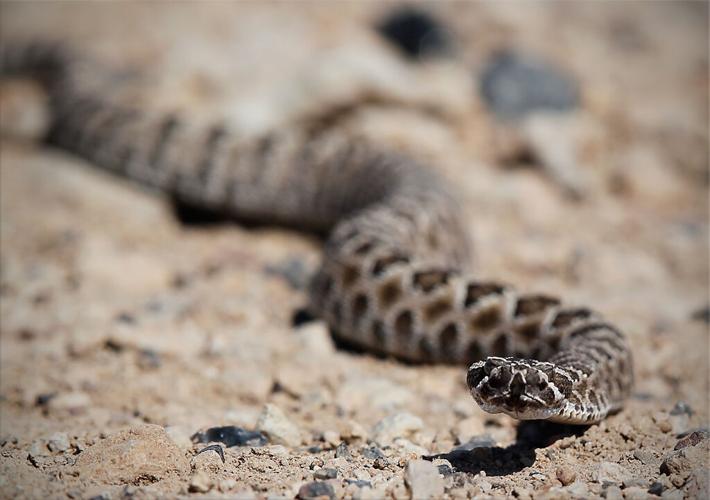
Rattlesnakes are venomous and can pose a safety concern. Gopher snakes, sometimes called bull snakes, are non-venomous and play an important role in the ecosystem. The two can look similar at a glance.
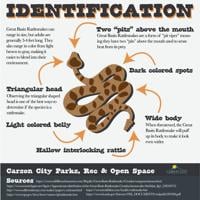
Wildlife officials say there are a few ways to tell the difference. Rattlesnakes have a broad, triangular head and slit-like pupils, while gopher snakes have a more rounded head and round pupils. Rattlesnakes also have thicker bodies and a segmented rattle at the end of the tail, while gopher snakes are more slender with a long, tapering tail.

Officials note that gopher snakes may still cause confusion. When threatened, they can flatten their heads and shake their tails in dry vegetation, creating a sound similar to a rattle.
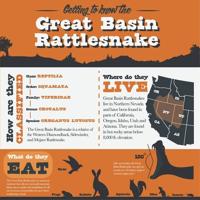
In Northern Nevada, the primary venomous species is the Great Basin rattlesnake.

Meanwhile, according to the Carson City Parks, Recreation & Open Space Department, people are already beginning to report snake sightings in parks and along trails.
The department says most snakes are harmless and help maintain balance in the ecosystem by reducing pests. Still, it is important to take precautions.
Both agencies are encouraging similar safety steps for anyone heading outdoors.
That includes watching where you step, checking before stepping over logs or reaching into brush, and staying on designated trails. Wearing close-toed shoes and long pants can also help reduce risk.

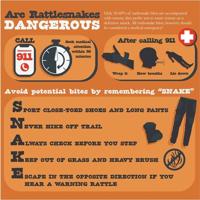
People are also advised to keep their distance and avoid heavy brush or tall grass, where snakes may be harder to see. Officials say do not assume a snake will rattle before it strikes. Pets should be kept under control, as they are at higher risk of encounters.
If you hear a rattle, officials say to move in the opposite direction and stay alert, as a rattlesnake may be nearby.
If you come across a snake, stop, slowly back away, and give it space, at least 6 to 10 feet, and allow it to move away on its own. Do not try to handle or move it.
If a bite occurs, guidance from wildlife officials is to stay calm (panic can increase the spread of venom), keep the affected limb immobilized and below heart level, and call 911 or seek medical care right away. Do not cut the wound, attempt to remove venom, or apply ice or a tourniquet.
Agencies say awareness, distance, and preparation can help keep people and pets safe as snake activity increases.