If both your parents have varicose veins, you have a 50% to 85% chance of getting them, too. And they can be uncomfortable. Common procedures include laser surgery or vein stripping, but now a doctor in town is using something similar to superglue.
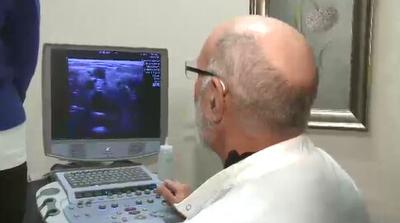
"This is the small saphenous vein where it empties into the popliteal vein."
With the help of ultra sound, Dr. Robert merchant is taking a good hard look. At the work he's done on his patient's veins.
Lorraine Leininger came to the Reno Vein Clinic after noticing a change in her leg.
"You could just feel the vein, kind of full. There's a fullness and it's a little scary, like, oh, is this gonna burst?"
Like many Americans, Lorraine had varicose veins.
A varicose vein is basically when the valves in the vein don't work properlys o the blood that should be moving upwards towards the heart - flows back down and pools in the lower leg.
"It creates a real trauma and stretching to the veins over a lifetime."
But now Dr. Merchant has a new and minimally-invasive way to fix them.
It's called VenaSeal. Dr. Merchant can deliver medical adhesive endogenously to close the vein!
"It's like a superglue that's been modified for introduction into the human body."
"So what we do is we thread the catheter with a little local anesthesia down just below the knee and we position it up high in the groin where the saphenous vein would normally be emptying."
By gluing it shut - the little tributaries that are coming into the vein - seek out a new route for blood to go. The procedure takes about 30 minutes with only local anesthesia. And, as Lorraine experienced, results are noticeable right away.
"It's immediate. It does shut the vein down immediately.”
Here's the downside - it's not covered by insurance. Not to say it won't be some day... But yet. So, it could cost you $4,000 - $5,000.