Northern Nevada Public Health says respiratory viruses are the prevailing illnesses circulating in the region now, and that cases of those illnesses are increasing.
It's a common trend, one they also saw last season. They say this is always the time of year when people start to get sick.
The last two to three weeks, we've had Thanksgiving and school breaks, which is usually the time people start getting sick. And then, when people go back to school or work, they start getting other people sick, and things expand from there.
We asked some students from the University of Nevada, Reno, if they've noticed the increase. One person says they just got over being sick.
Aidan Hickey, a Reno resident from Pacifica, California, says, "I'm kind of getting over it now. For me, it was just a cough and a little sore throat."
Hickey also says, "It's more annoying and frustrating than really anything, just because it's not anything keeping me from doing what I need to do, like going to class or anything like that. It's just hindering my ability to do so a little bit."
Another student told us his own experience with recent illnesses going around.
Jacob Bechchod, from Lodi, California, living in Reno, told us, "Recently, there's been a little common cold that just went around our friend group—something just basic like that."
He also mentioned some of the symptoms: "Just a cough and runny nose that lasted maybe about a week."
There are groups of people who are more likely to get sick than others, too.
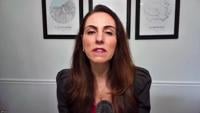
Dr. Danika Williams, a PhD epidemiologist for Northern Nevada Public Health, explains, "Across the board, the most vulnerable are over 65 years of age, like infants or children 2 to 4 years of age, and anyone with underlying health conditions."
After COVID-19, they're saying this is only the second season, including last year, that they're seeing more normal trends for illnesses going around the community.
Dr. Williams says, "We have this low through October, starting to increase in November, and in December we see the largest increases in general."
NNPH saw that most respiratory illnesses have similar symptoms, so it's hard to tell what exactly someone may have when they get sick.
Dr. Williams says, "You might feel icky. You might feel a cough or fatigue. But if you start to see an increase in those symptoms, like fever and chills, that's your indication that this is just a little more than a cold."
In those cases, you'll want to call your doctor as soon as possible.
If you're going out to family gatherings for the holidays, there are things you can do to keep yourself safe. That includes vaccinations, being aware of who's around you and if they're sick, calling your doctor, and staying home when you're sick.
Hickey reminds us all, "Stay healthy. Health is wealth."