



A legislative bill that would have ended daylight saving time in Nevada will not advance after missing a Senate committee deadline.
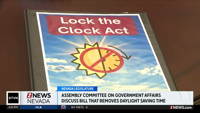
Assembly Bill 81, also known as Lock the Clock Act, passed Nevada's Assembly last month but it failed to advance out of a Senate committee by Friday's deadline.
If it did eventually become law, the new time would have started January 1, 2026.
APRIL 18, 2025:
A bill that would end daylight saving time in Nevada has passed the Assembly and will now head to the Senate for a vote.
The Assembly voted 17-15 on Thursday to approve AB 81, also known as Lock the Clock Act.
If the bill is passed, it would take effect January 1st of 2026. To get a good understanding of what time changes would look like without daylight saving: During the summer solstice on June 21st, the sun would rise at 4:32 a.m. and set at 7:30 p.m.
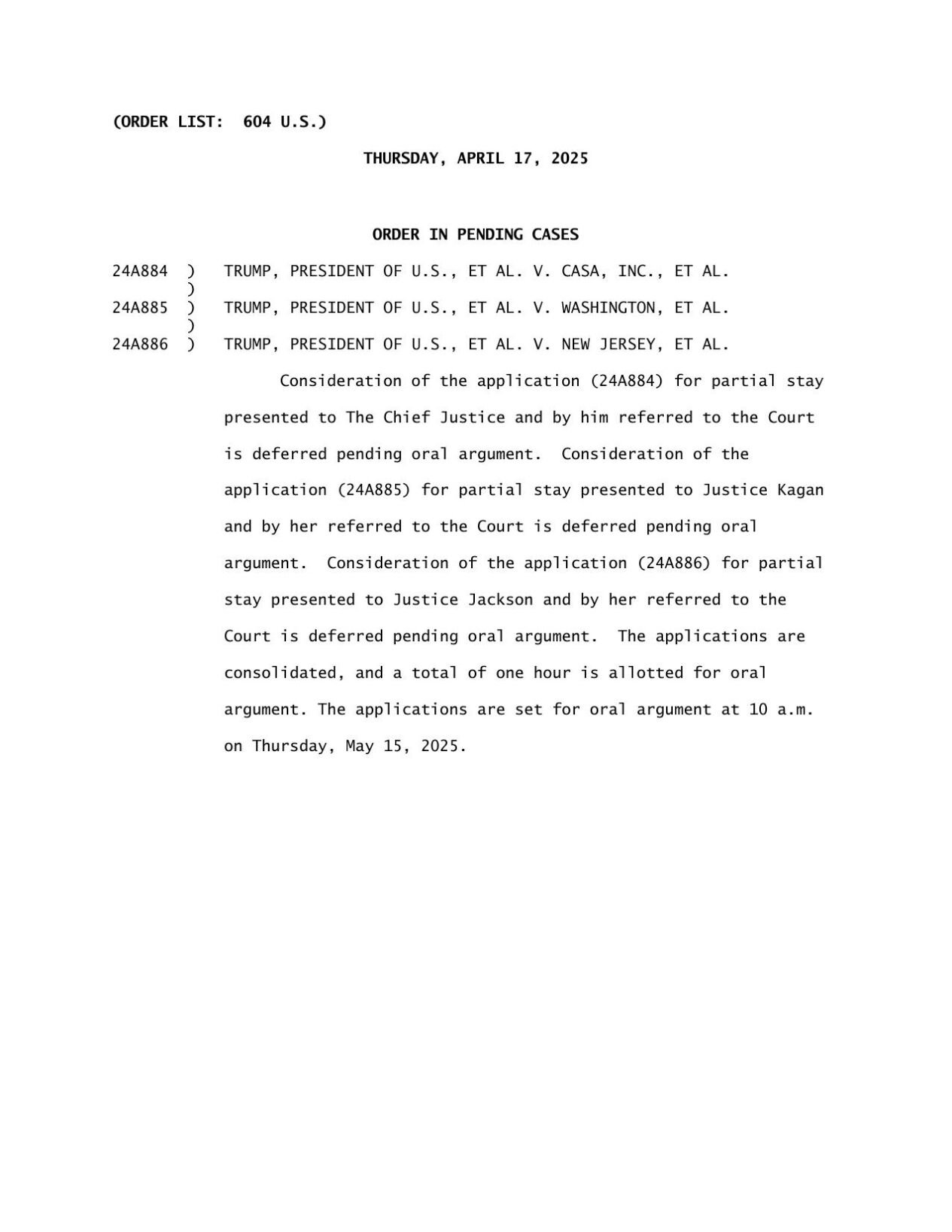
You can read the bill's text below -
March 31, 2025:
The Lock the Clock Act has officially advanced out of committee, bringing the bill one step closer to being put into place.
The Assembly Committee on Government Affairs voted to pass the act, known formally as Assembly Bill 81, out of committee with bipartisan support.
The bill will see a full Assembly vote in the coming weeks.
Assemblymember Selena La Rue Hatch released a statement on the advancement, saying:
"This bill is not just about folks that are upset at losing an hour of sleep or having to change their clock. There are documented negative health effects that come from observing daylight saving time and changing our clocks twice a year. The Lock the Clock Act will have immediate positive impacts on our health and quality of life without having to spend a dime."
February 25, 2025:
Nevada lawmakers are considering getting rid of daylight saving time. Assembly Bill 81, also known as Lock the Clock Act, would do away with daylight saving time. So, no more springing forward on the second Sunday of march every year or regaining that hour on the first Sunday of November.
Assembly member Selena La Rue Hatch says this is more than just people complaining about changing their clocks and losing an hour of sleep.
She says there are documented negative health effects that come with observing daylight saving time.
"We know that during clock change events heart attacks go up, strokes go up; so do car accidents, workplace accidents, stress, anxiety, depression, all of those increase whether we go forward or back with the clock," says La Rue Hatch.
Assembly member La Rue Hatch says there's also negative impacts to the economy. She says there are measurable productivity decreases when the clocks change, and we're also not saving money on energy.
La Rue Hatch says this bill will not impact our agricultural producers, saying, "Some people argue that farmers and ranchers don't want this, but as someone who grew up on a ranch let me tell you - the cows are getting up at the same time no matter what the clock says."
Many health organizations are endorsing permanent standard time as being more natural and beneficial for our bodies.
Annie Vong, a representative for Nevada Public Health Association, says, "Seasonal time changes, as Assembly member La Rue Hatch says, pose a risk for public health when it comes to motor vehicle crashes and cardiovascular events, and NPHA fully supports this bill."
Justice Forest, Administrative Assistant for Nevada Association for Education of Young Children, says, "Mood swings, difficulty focusing, difficulties with concentration and worse performance in schools are caused by daylight saving time."
One public commenter in opposition says this bill is being pushed a little prematurely, saying there are some missing stakeholders that have not been included - such as tribal chiefs and the casino resort community.
La Rue Hatch says the only other issue people have is they prefer to stay in daylight saving time; unfortunately that's not legal.
"The federal government doesn't allow us to choose permanent daylight saving time. If we want to stop changing the clocks, we have to go to permanent standard time."
If the bill is passed, it would take effect January 1st of 2026. To get a good understanding of what time changes would look like without daylight saving: During the summer solstice on June 21st, the sun would rise at 4:32 a.m. and set at 7:30 p.m.