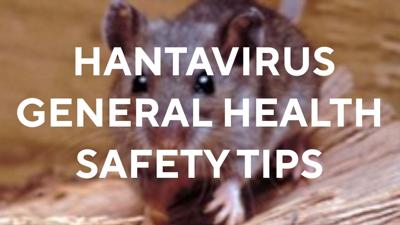


Health and wildlife officials are urging Nevadans to take precautions against hantavirus following two recently confirmed cases in the state.
The Nevada Department of Health and Human Services (DHHS) and the Nevada Department of Wildlife (NDOW) are advising the public to be cautious in areas where deer mice may be present, especially as warmer weather leads more people to open up cabins, sheds, barns, trailers, and other structures that may have been closed during the winter.
Hantavirus Pulmonary Syndrome (HPS) is a rare but potentially deadly respiratory illness caused by exposure to the droppings, urine, or saliva of infected deer mice, which are common in Nevada.
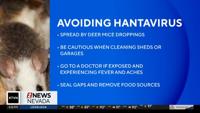
Early symptoms include fever, fatigue and muscle aches, and may later progress to headaches, chills, and gastrointestinal problems. Early medical care can improve recovery outcomes.
“We urge people to be aware of any signs of rodent activity and to take precautions to reduce the risk of exposure to hantavirus,” said Melissa Bullock, State Medical Epidemiologist. “Anyone who has been in contact with rodents, nests or droppings and subsequently develops symptoms consistent with hantavirus pulmonary syndrome should see a health care provider immediately.”
To reduce the risk of exposure, DHHS and NDOW recommend the following:
Clean safely:
Air out enclosed spaces by opening windows and doors for at least 30 minutes before cleaning
Avoid sweeping or vacuuming; instead, spray areas with disinfectant, let sit for 5 to 10 minutes, and wipe up with disposable materials
Wear gloves and a well-fitted N95 mask when cleaning rodent-contaminated areas
Keep spaces free of food sources and clutter
Eliminate attractants and hiding places:
Store pet, livestock, and bird feed in sealed containers
Secure garbage in containers with tight lids
Clear overgrown vegetation and remove wood piles or brush
Avoid composting in ways that attract rodents
Use deterrents and seal entry points:
Seal gaps or holes in buildings
Repair screens and ensure doors are tightly fitted
Block access to crawl spaces and patios with wire mesh or hardware cloth
Use repellents such as predator urine, ammonia, vinegar, or coffee grounds in exterior areas
Install motion-activated sprinklers to deter wildlife
More information is available from the Nevada Office of State Epidemiology at nvose.org.